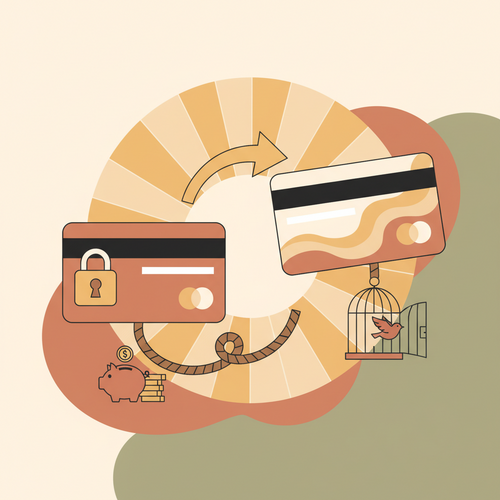
For beginner investors looking to establish or rebuild their credit, navigating the world of credit cards can seem daunting. Indeed, finding the best secured credit cards with graduation paths to unsecured options is a strategic first step towards financial stability. These specialized cards offer a unique opportunity. They allow individuals to demonstrate responsible financial behavior while working towards a more traditional credit product. This careful approach is particularly beneficial for those new to credit. Understanding how these cards operate is crucial. Furthermore, choosing a card that explicitly offers a “graduation path” can significantly accelerate your journey to better credit. This guide will explore the intricacies of secured credit cards. Specifically, it will highlight what makes a graduation path so valuable. Consequently, you can make an informed decision for your financial future. Adopting sound financial habits from the outset is always a wise strategy. Thus, these cards provide a foundational tool.
What Exactly is a Secured Credit Card?
A secured credit card functions much like a regular credit card in many respects. However, it fundamentally differs by requiring a security deposit. This deposit, which you provide upfront, typically equals your credit limit. For instance, if you deposit $300, your available credit will also be $300. This collateral significantly reduces the risk for the lender. Therefore, secured cards become accessible to individuals with limited or even poor credit histories who might not qualify for traditional unsecured products. The security deposit itself is not an annual fee. It is held in a separate, often interest-bearing, account. This deposit is fully refundable. This happens either once you close the account in good standing, provided all balances are cleared. Conversely, it is returned if the card successfully graduates to an unsecured option. In essence, your own money secures your spending. This arrangement provides a crucial safety net for the credit card issuer. Consequently, it allows them to extend credit to those who might not otherwise qualify for a standard credit card. For more general financial information and market insights, you can always visit a reputable source like Reuters.
Furthermore, secured cards report your payment activity to the major credit bureaus. These include Experian, Equifax, and TransUnion. This consistent reporting is vital. It helps you establish a positive payment history. Building this history over time is essential for improving your credit score. Therefore, every on-time payment contributes positively to your credit profile. This makes secured cards a powerful tool. They are designed specifically for credit building. Indeed, they serve as a bridge to better financial opportunities.
Why a Graduation Path is Your Best Bet
Many secured credit cards exist on the market today. However, not all of them offer a clear, defined path to an unsecured option. This “graduation” feature is incredibly beneficial and truly distinguishes certain cards. It means the issuer periodically reviews your account. Specifically, they look for consistent, responsible usage. This includes an impeccable record of on-time payments. It also involves keeping your credit utilization low. Subsequently, if you meet their predefined criteria, your secured card transitions to an unsecured product. Therefore, your security deposit is returned to you. You then gain the full benefits of a traditional credit card without collateral. In addition, this process avoids the hassle of applying for a brand-new card. Indeed, it streamlines your credit-building efforts dramatically. Furthermore, it demonstrates the issuer’s confidence in your improved financial habits and creditworthiness. This smooth, automatic transition is a hallmark of excellent credit building strategies. Thus, it is a feature worth seeking out and prioritizing above others when choosing a secured card. It saves you time and effort in the long run. Moreover, it signifies a major step forward in your financial journey.
Key Features to Prioritize in a Secured Card
When selecting a secured credit card, prioritizing certain features can significantly impact your credit-building success. Primarily, look for cards with a low or, ideally, no annual fee. High fees can quickly erode the benefits of building credit. Therefore, minimizing costs is always a smart financial move. Furthermore, ensure the card explicitly states it reports your activity to all three major credit bureaus. These include Experian, Equifax, and TransUnion. Consistent and complete reporting is absolutely vital for building a comprehensive and strong credit profile across the board. This transparency is non-negotiable for effective credit building. Another crucial aspect is clear graduation criteria. Specifically, understand what steps you need to take. Know what benchmarks you must meet to transition to an unsecured card. This ensures a predictable and achievable path.
Conversely, cards with vague or undefined graduation policies should be viewed with significant caution. Always review the terms and conditions carefully before committing. In addition, consider the card’s Annual Percentage Rate (APR). While you should always aim to pay your balance in full each month, a reasonable APR is still important for unexpected situations. Indeed, life happens, and sometimes carrying a balance temporarily is unavoidable. Good customer service and online account management tools are also a plus. Thus, prioritize these elements for a truly successful credit journey.
- Low or No Annual Fee: Minimize the financial burden while you work to establish credit. High fees can negate the positive effects of responsible card use.
- Comprehensive Credit Bureau Reporting: Crucial for ensuring all major credit bureaus track your progress, leading to a more robust credit score.
- Clear Graduation Criteria: A well-defined path provides transparency and motivation, showing you exactly what steps are needed to transition to an unsecured card.
- Reasonable APR: Although paying in full is the goal, a manageable APR protects you financially during emergencies or when a balance must be carried.
- Excellent Customer Service: Responsive support can be invaluable for understanding terms, resolving issues, and navigating the graduation process smoothly.
The Graduation Process Explained
The journey from a secured card to an unsecured one typically follows a predictable and straightforward pattern. Initially, you apply for the secured credit card. Then, upon approval, you provide the required security deposit. Once your account is open, you begin using the card responsibly and consistently. This means making all your payments on time, every single month, without exception. It also involves keeping your credit utilization low. Specifically, aim for under 30% of your credit limit at all times. Many credit card issuers review accounts after a period, commonly ranging from 6 to 12 months. During this review, they meticulously assess your payment history.
They also check for any missed payments, delinquencies, or other negative marks. Furthermore, they may review your overall credit score and financial health. If you consistently meet their internal criteria for responsible credit management, the issuer initiates the graduation process. Consequently, your security deposit is returned to you. The card itself seamlessly transforms into an unsecured version. This means no more collateral is required to secure your credit line. In addition, your credit limit might even increase, reflecting your enhanced creditworthiness. Indeed, it is a significant and rewarding milestone in your credit-building efforts. This positive transition reflects favorably on your credit report. Thus, it is a testament to your financial discipline and commitment.
Building Credit Effectively and Responsibly
Possessing a secured credit card is merely the first, albeit vital, step in your credit-building journey. To truly benefit and maximize your progress, responsible usage is absolutely paramount. First and foremost, always pay your bill on time, every single month, without exception. Payment history constitutes the largest factor in calculating your credit score, accounting for about 35%. Therefore, even a single late payment can severely damage your hard-earned progress. Secondly, keep your credit utilization ratio low. This ratio measures how much credit you use compared to your total available credit. Specifically, financial experts recommend aiming for 10-30% utilization.
Using too much available credit can signal financial distress to lenders, negatively impacting your score. Furthermore, do not close old accounts, especially your first secured card once it graduates. A longer credit history generally looks much better to lenders. Conversely, opening many new accounts simultaneously can be detrimental, as it creates too many “hard inquiries” on your credit report. In addition, regularly monitor your credit report from all three major bureaus. This helps catch errors or fraudulent activity promptly. Services like those offered by major credit bureaus can assist with this. Indeed, staying informed and proactive is critical for maintaining robust financial health. Thus, diligence in these areas will yield the best and fastest results for improving your credit score. For detailed insights on financial planning and investment strategies, consider sources like Bloomberg.
- Pay on Time, Every Time: This is the single most important factor. Always meet your payment deadlines to build a strong payment history.
- Keep Utilization Low: Aim for 10-30% usage of your credit limit. This demonstrates responsible credit management and positively impacts your score.
- Monitor Your Credit Report: Regularly check your credit report from Experian, Equifax, and TransUnion for accuracy and to detect any potential fraud.
- Avoid Unnecessary New Accounts: Focus on managing existing credit well rather than opening too many new lines, which can temporarily lower your score.
- Maintain Old Accounts: Keep older accounts open and in good standing to benefit from a longer credit history.
When to Consider an Unsecured Card
The ultimate goal of utilizing secured credit cards with graduation paths is to eventually move to a traditional, unsecured credit option. Therefore, recognizing when you are truly ready for this transition is a key step. Primarily, your credit score should show significant and sustained improvement. A score consistently in the good to excellent range (typically 670 and above) is a strong indicator of readiness. Furthermore, you should have a solid and lengthy history of on-time payments across all your credit accounts, not just your secured card. You also need to maintain a low credit utilization ratio across all your credit lines.
In addition, your income should be stable and verifiable. Lenders prefer to see consistent earnings as an indicator of your ability to manage debt. Conversely, if you still struggle with making payments on time or keeping balances low, waiting a bit longer might be the more prudent approach. Applying for an unsecured card too soon can lead to rejection. This rejection can temporarily lower your credit score, setting back your progress. Indeed, timing and preparation are everything in this process. Once you successfully graduate, you receive your security deposit back, which frees up those funds for other financial goals. Thus, it marks a significant financial step forward and a reward for your diligence. For further reading on economic trends and personal finance, The Wall Street Journal offers comprehensive coverage.
Potential Pitfalls to Avoid
While secured credit cards offer an invaluable path to credit improvement, vigilance is still necessary to avoid common pitfalls. Some secured cards come with excessively high annual fees. These fees can quickly diminish the benefits of credit building and make the card more expensive than it’s worth. Therefore, always read the fine print thoroughly before applying and compare fees across different products. Other cards might not clearly outline their graduation process, or their criteria might be overly strict or opaque. This lack of transparency can leave you feeling stuck with a secured card indefinitely, delaying your progression.
Furthermore, some less reputable issuers may not report your payment activity to all three major credit bureaus. This significantly hampers your credit-building efforts, as your progress might only be recognized by one or two bureaus. Consequently, your overall credit profile could remain weaker than it should be. Always confirm their reporting practices before committing. In addition, watch out for cards that charge exceptionally high Annual Percentage Rates (APRs). Although you should always plan to pay your balance in full each month, an unexpected emergency could arise where you need to carry a balance. Indeed, understanding all costs involved, both upfront and potential interest charges, is crucial for making an informed decision. Thus, performing your due diligence upfront can prevent many future headaches and financial setbacks.
- Exorbitant Fees: Be wary of cards with high annual fees, application fees, or maintenance fees that detract from your credit-building efforts.
- Vague Graduation Paths: Opt for cards with clearly stated and achievable criteria for transitioning to an unsecured product. Transparency is key.
- Incomplete Bureau Reporting: Confirm that the card issuer reports to Experian, Equifax, AND TransUnion to ensure comprehensive credit profile development.
- High APRs: While not the primary focus for secured cards, an excessively high APR can become a burden if you ever need to carry a balance.
- Lack of Customer Support: Poor customer service can make resolving issues or understanding terms much more challenging.
Conclusion
Embarking on a journey to build or rebuild credit requires strategic planning, consistent effort, and disciplined financial habits. Utilizing secured credit cards with graduation paths to unsecured options provides an excellent and structured foundation for this endeavor. They offer a tangible, step-by-step way to demonstrate creditworthiness to lenders. By consistently paying your bills on time, keeping your credit utilization low, and managing your finances prudently, you pave the way for a stronger and more robust financial future. Remember to research thoroughly. Prioritize cards with clear graduation criteria, transparent terms, and comprehensive reporting to all three major credit bureaus. Furthermore, continuously monitor your credit report for accuracy and to identify any potential issues early.
This proactive approach ensures accuracy and safeguards your credit profile. Indeed, patience, persistence, and proactive management are truly key to success in credit building. Consequently, you will successfully transition to unsecured credit products. You will unlock greater financial flexibility and access to better interest rates. This empowers you to achieve a wider array of financial goals, from purchasing a home to investing. Thus, choose wisely and manage diligently. Your financial future depends significantly on these thoughtful and deliberate steps. For more information on responsible credit management and consumer finance, you can explore resources at Consumer Financial Protection Bureau. Also, insights into global market trends and economic analysis are available at Financial Times.