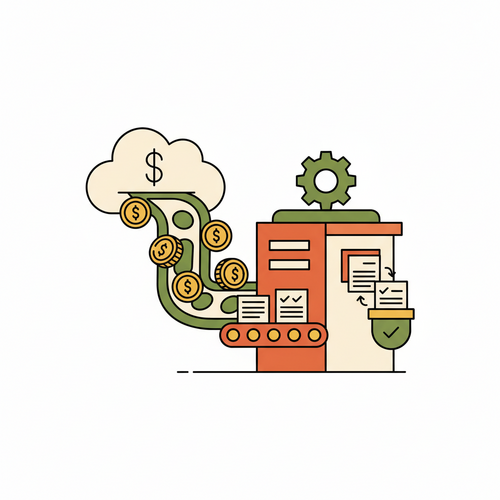
Managing Accounts Receivable is a critical practice for any business aiming to maintain robust financial health. Indeed, effectively handling the money owed to your company directly impacts its ability to operate smoothly. Beginner investors, therefore, must grasp this concept. They need to understand its profound implications for business liquidity.
Understanding Accounts Receivable
First, what exactly is Accounts Receivable (AR)? Simply put, AR represents the money customers owe your business for goods or services already delivered. For instance, imagine a company sells products on credit. Consequently, it issues an invoice to the customer. This outstanding invoice then becomes an account receivable.
Furthermore, AR is an asset on a company’s balance sheet. However, it is not yet cash. Instead, it reflects future cash inflows. Businesses typically offer payment terms to clients. Therefore, customers receive a grace period. This allows them to settle their bills later. Properly managing these outstanding payments is vital. Specifically, it ensures the business has enough ready cash.
Why AR Management Boosts Business Liquidity
Liquidity refers to a company’s ability to meet its short-term financial obligations. Consequently, it means having enough cash on hand. Poorly managed accounts receivable can severely restrict this ability. For instance, if customers delay payments, your cash flow suffers. Therefore, the business might struggle to pay its own bills. This includes salaries, rent, and suppliers.
Conversely, efficient AR management accelerates the conversion of receivables into cash. Thus, it directly enhances a company’s liquidity position. Furthermore, it reduces the need for external financing. Businesses can avoid costly loans. Instead, they rely on their own incoming funds. This strategy strengthens financial independence. Indeed, it fosters sustainable growth.
Key Strategies for Effective Accounts Receivable Management
Implementing strategic AR practices is paramount. Therefore, businesses must adopt proactive measures. These steps ensure timely collections. Consequently, they improve cash flow. Here are several essential strategies.
1. Establish Clear Payment Terms
Transparency is foundational. Specifically, all payment terms must be clear and concise. Furthermore, communicate these terms upfront. This prevents misunderstandings. Include details like payment due dates. Also, specify any late payment penalties. Moreover, mention accepted payment methods. A clear agreement sets proper expectations for customers.
Indeed, consider incorporating these terms into your contracts. You could also include them on every invoice. This constant reinforcement helps. Therefore, customers know exactly what is expected. This simple step minimizes payment disputes later on. Consequently, it speeds up the collection process.
2. Timely and Accurate Invoicing
Prompt invoicing is crucial. Issue invoices as soon as goods or services are delivered. Delaying this step will inevitably delay payment. Furthermore, ensure all invoices are accurate. Errors can lead to customer queries. Consequently, this creates payment delays. Double-check all details before sending.
Moreover, use professional invoice templates. A clear, well-organized invoice is easier for customers to process. Include unique invoice numbers. Specify the amount due. Additionally, state the due date prominently. This attention to detail reduces friction. Therefore, it encourages faster payments.
3. Implement Automated Payment Reminders
Sometimes, customers simply forget. Therefore, gentle, automated reminders can be highly effective. Schedule these reminders before the due date. Send another on the due date. A final reminder a few days after could also be beneficial. This proactive approach prompts customers without being overly aggressive.
Furthermore, many accounting software solutions offer this functionality. Automating reminders saves significant time. Indeed, it frees up your staff. Consequently, they can focus on more complex collection issues. This systematic follow-up improves collection rates considerably.
4. Foster Open Customer Communication
Maintain an open line of communication with your clients. Building strong relationships pays dividends. If a customer is facing financial difficulties, they might inform you. Therefore, you can discuss potential solutions. Perhaps a revised payment plan is necessary. Flexibility can preserve valuable customer relationships.
Specifically, address any billing disputes promptly. Ignoring issues only escalates them. A quick resolution ensures payment. Conversely, prolonged disputes can lead to non-payment. Regular check-ins, therefore, are beneficial. They prevent small issues from becoming major problems.
5. Offer Incentives for Early Payment
Motivating customers to pay sooner can significantly improve cash flow. Consider offering small discounts for early payments. For instance, “2/10, Net 30” means a 2% discount if paid within 10 days, otherwise the full amount is due in 30 days. This can be a powerful incentive.
However, carefully calculate these discounts. Ensure they still allow for a healthy profit margin. The immediate access to cash can outweigh the small discount. Therefore, evaluate your business needs. Indeed, accelerated cash flow supports operational needs. It also aids in reinvestment opportunities.
6. Diversify Payment Options
Make it as easy as possible for your customers to pay. Offering multiple payment methods increases convenience. For instance, accept credit cards. Provide online payment portals. Also, consider direct bank transfers. The more options available, the less likely customers are to delay payment due to inconvenience.
Furthermore, technology makes these integrations seamless. Many platforms support various payment gateways. Consequently, this broadens accessibility for your clients. Removing payment barriers is a simple yet effective strategy. Therefore, it reduces the time receivables remain outstanding.
7. Conduct Thorough Credit Checks and Risk Assessment
Prevention is better than cure. Before extending credit to new customers, conduct thorough credit checks. Assess their payment history. Evaluate their financial stability. This proactive step helps identify high-risk clients. Therefore, you can make informed decisions.
Specifically, set credit limits based on these assessments. Monitor existing customers for changes in their financial health. Adjust credit terms accordingly. Indeed, minimizing bad debt is crucial. It protects your overall financial standing. Conversely, ignoring this can lead to significant losses.
8. Consider Factoring or Invoice Financing
Sometimes, businesses need immediate cash. Therefore, they might explore factoring or invoice financing. Factoring involves selling your invoices to a third party. This third party, known as a factor, then collects the money. In return, you receive an immediate cash advance. This is typically a percentage of the invoice value.
Furthermore, invoice financing works similarly. However, you retain control over collections. These options provide quick liquidity. However, they come with fees. Consequently, understand the costs involved. Weigh the benefits against the expenses. These tools are often a short-term solution for cash flow gaps. Indeed, they are not a substitute for robust AR management.
Leveraging Technology for AR Management
Modern technology significantly streamlines AR processes. Accounting software, for instance, automates many tasks. This includes invoicing, payment tracking, and reporting. Software solutions reduce manual errors. Furthermore, they save valuable time. Consequently, staff can focus on strategic tasks.
Specifically, look for features like automated reminders. Seek out integration with payment gateways. Also, consider robust reporting capabilities. These tools provide real-time insights. Therefore, you can quickly identify overdue accounts. Timely action becomes possible. Investing in the right technology is a wise decision. Indeed, it improves overall efficiency dramatically. For more information, explore resources on Reuters.
Common Challenges in Accounts Receivable
Despite best practices, challenges can arise. Customer disputes, for example, often delay payments. Resolving these quickly is essential. Furthermore, slow-paying customers are a persistent issue. Consistent follow-up and clear communication are key. Economic downturns can also exacerbate these problems.
Additionally, managing international receivables adds complexity. Different regulations and currencies can complicate matters. Businesses must adapt their strategies accordingly. Therefore, staying informed is vital. Proactive problem-solving minimizes negative impacts. Indeed, resilience is built through preparation.
Measuring Accounts Receivable Performance
Monitoring key metrics helps assess AR effectiveness. The Days Sales Outstanding (DSO) is a primary indicator. This metric calculates the average number of days it takes for a company to collect its receivables. A lower DSO generally indicates more efficient collections. Therefore, it suggests better cash flow.
Furthermore, aging reports categorize receivables by how long they have been outstanding. This report highlights overdue accounts. It allows businesses to prioritize collection efforts. Accounts outstanding for longer periods are harder to collect. Specifically, regular review of these reports is indispensable. Indeed, it informs tactical adjustments. For financial insights, visit Bloomberg.
Another crucial metric is the Collection Effectiveness Index (CEI). This measures the effectiveness of your collection efforts. A higher CEI means you are collecting a greater percentage of your collectible accounts. Analyzing trends in CEI over time helps evaluate process improvements. Consequently, it informs strategic changes. Understanding these metrics empowers better decision-making. Thus, it reinforces financial stability.
Conclusion
Managing Accounts Receivable is more than just collecting payments; it is a cornerstone of business liquidity. By implementing clear terms, timely invoicing, and proactive communication, companies can significantly improve their cash flow. Furthermore, leveraging technology and understanding key performance indicators strengthens financial operations. Indeed, for beginner investors, recognizing the importance of efficient AR management is paramount. It signals a well-run, financially stable enterprise. Therefore, prioritize these strategies. They will help secure a robust financial future. For more economic news, check out The Wall Street Journal. Furthermore, explore business insights from Forbes or Investopedia.