Introduction
Debt can feel like a heavy weight. It can affect your mood, your relationships, and your overall sense of well-being. This constant pressure often comes from a feeling of being trapped with no clear way out. However, it is crucial to understand one simple truth. Debt is a solvable problem. It is not a life sentence.
This guide will not offer you magic solutions or get-rich-quick schemes. Instead, it will provide practical, proven strategies for taking control of your finances. You will learn how to create a clear plan to pay off what you owe. The goal is to move from a position of stress to one of strength. Ultimately, this journey is about building a path toward lasting financial freedom and better personal health.
The First Step: Confronting Your Debt
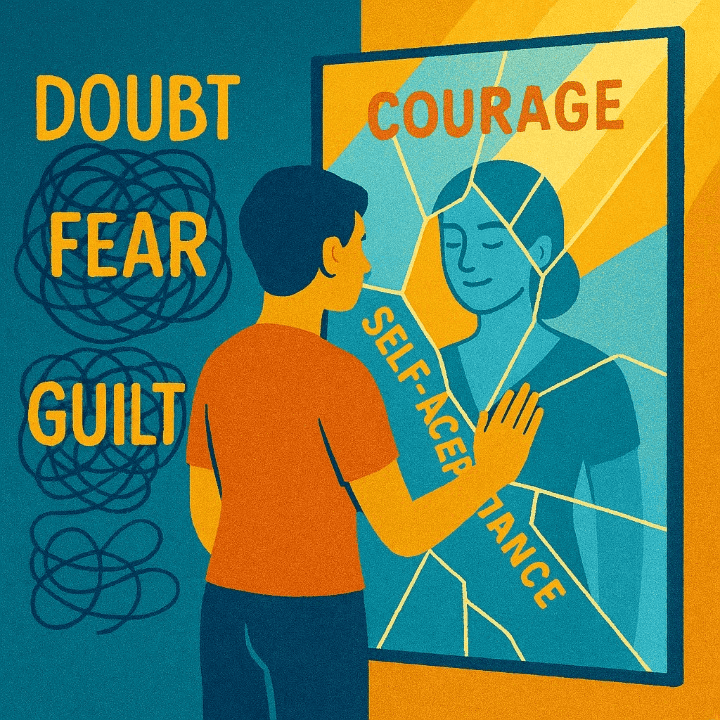
You cannot fight an enemy that you do not fully understand. Therefore, the first step in any debt management journey is to get a complete and honest picture of what you owe. This requires courage, but it is the most critical step you will take. It turns a vague, overwhelming worry into a concrete list of problems that you can start to solve one by one.
Your task is to make a comprehensive list. Write down every single debt you have. For each one, you need to note three key pieces of information:
- The Creditor: Who you owe the money to.
- The Total Balance: The exact amount you currently owe.
- The Interest Rate (APR): The percentage you are being charged for borrowing the money.
Be thorough in this process. Your list should include every credit card, personal loan, auto loan, and student loan. This honest assessment is your true starting line. While it might feel intimidating at first, it is also incredibly empowering. Knowledge is power, and this list gives you the power to create an effective plan of attack.
Choosing Your Weapon: Two Powerful Payoff Strategies
Once you know exactly what you’re up against, you need a systematic approach. Simply making minimum payments is a slow and expensive way to get out of debt. A focused strategy, in contrast, can save you a significant amount of time and money. Here are two of the most effective and popular methods.
The Debt Snowball Method
The debt snowball method is all about building psychological momentum. It is perfect for people who need to see quick wins to stay motivated on a long journey.
Here is how it works. First, you list all of your debts from the smallest balance to the largest. You should do this regardless of the interest rate. Next, you make the minimum required payment on all of your debts, except for the one with the smallest balance. For that smallest debt, you throw every extra dollar you can find in your budget at it until it is completely paid off.
Once that first debt is gone, you “roll” the payment you were making on it into the payment for the next-smallest debt. You repeat this process, gaining momentum like a snowball rolling downhill. Each paid-off debt frees up more cash to attack the next one, leading to faster and faster progress.
The Debt Avalanche Method
The debt avalanche method, on the other hand, is a purely mathematical strategy. It is ideal for people who are disciplined and motivated by saving the most money possible.
The process is slightly different. First, you list your debts in order from the highest interest rate to the lowest, regardless of the balance. Then, you make the minimum payment on all debts except for the one with the highest APR. You focus all your extra money on that single, most expensive debt.
Because you are tackling the debt that is costing you the most in interest first, this method will save you more money over the long term compared to the snowball method. The trade-off is that it might take longer to get your first “win,” which requires more patience. This is especially effective for tackling high-interest credit card debt.
Advanced Tactics: Consolidating Your Debt
In addition to a payoff strategy, you can sometimes use other tools to accelerate your progress. Debt consolidation is one such tactic. This is the process of taking out a new, single loan to pay off multiple smaller debts. For example, you might get a single personal loan to pay off three different credit card balances.
The primary goal of this strategy is to simplify your finances and save money. Ideally, the new financing you secure will have a lower interest rate than the average rate of the debts you are paying off. This can result in a lower total monthly payment. It can also significantly reduce the total amount of interest you pay over time.
However, consolidation is not a magic fix. It is a tool that requires discipline. It only makes sense if you can secure a favorable new interest rate. This usually requires a fair to good credit history. Furthermore, you must commit to not running up the balances on your old credit cards again. Otherwise, you will only end up in a worse position.
The Big Picture: How Debt Management Impacts Your Life
Getting out of debt is about much more than just reaching a zero balance. It has a profound and positive impact on your entire life. As you pay down your balances, you lower your debt-to-income ratio. By making consistent, on-time payments, you also build a positive payment history. These are two of the biggest factors that determine your credit score.
A better credit score, in turn, opens up many doors. It leads to better terms and a lower interest rate on future financing you may need, like a mortgage. It can even lead to lower premiums on some types of insurance, such as auto insurance.
Most importantly, effective debt management significantly improves your overall well-being. The reduction in financial stress can have a profoundly positive effect on your mental and physical health. It frees up mental energy, allowing you to focus on other important areas of your life.
Conclusion
In conclusion, the path to financial freedom starts with a single, decisive step: confronting your debt. This journey requires an honest assessment of your situation. Next, it demands a consistent strategy, whether it’s the motivational snowball or the mathematical avalanche. Finally, your progress can be accelerated with smart tactics like consolidation when the time is right.
Getting out of debt is a process that takes time, patience, and discipline. However, every single payment you make is a victory. Each step forward brings you closer to a life with less stress and more opportunities. The sense of control you will gain over your finances is an invaluable reward that will benefit you for the rest of your life.