Introduction
Starting a freelance career or an online business is an exciting journey. It offers the freedom to be your own boss and the potential for unlimited growth. As you focus on finding clients and delivering great work, it is easy to overlook a crucial part of building a sustainable business. That crucial part is protection. A common question is often forgotten in the early stages: “Is my business protected?”
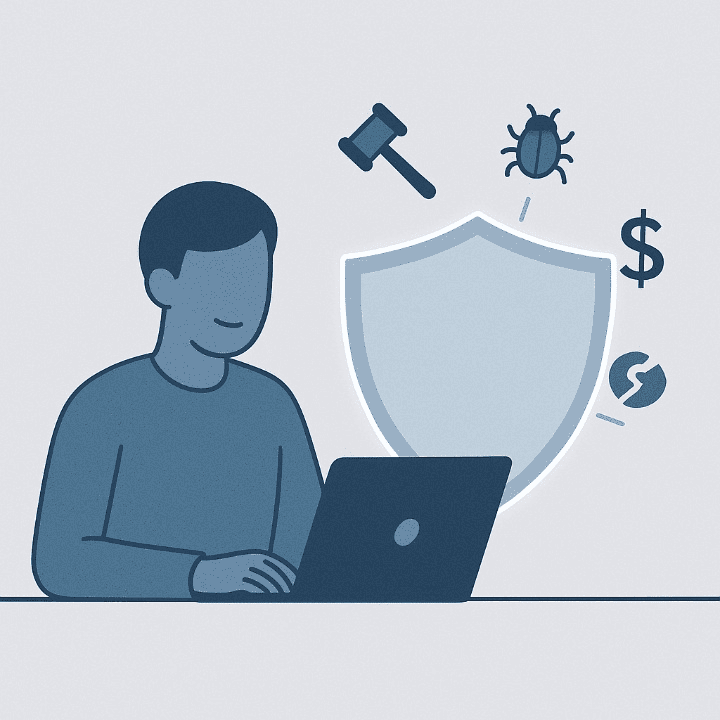
When you are the business, you are also the one who carries all the risk. A single client dispute or an honest mistake could put your hard-earned income and personal assets in jeopardy. This is where business insurance comes in. It is the professional safety net that shields you from these unexpected events. This guide will cover the essential types of insurance that every online entrepreneur should consider.
“But I’m Just a Freelancer.” Why You Still Need Insurance
First, let’s address a very common misconception. Many freelancers and solo entrepreneurs believe that insurance is only for large corporations with physical offices and hundreds of employees. This could not be further from the truth. In fact, for a solo business owner, insurance can be even more critical.
As a sole proprietor, which is the structure for most freelancers, there is no legal separation between you and your business. This means that if your business is sued, your personal assets could be at risk. This includes your personal savings account, your car, and even your home.
Furthermore, having insurance is a sign of professionalism. Many larger clients will actually require you to have certain types of insurance before they will sign a contract with you. Having a policy in place shows that you take your business seriously. It provides both you and your client with a crucial layer of confidence and security.
The Core Protections: Essential Insurance for Online Businesses
The world of business insurance can seem complex. However, for most online freelancers and service providers, the needs can be broken down into a few key policies.
1. Professional Liability Insurance (also known as Errors & Omissions or E&O)
This is arguably the most important type of insurance for any freelancer who provides services or advice. Professional liability insurance protects you if a client claims you made a mistake. It covers claims of negligence or failure to deliver your services as promised, which resulted in a financial loss for the client.
Let’s consider a clear example. Imagine you are a social media manager. You accidentally post something that violates a copyright, and the client gets sued. Or, perhaps you are a web developer, and a mistake you made in the code causes your client’s e-commerce site to crash during a major sale. In these situations, your professional liability insurance would help cover your legal defense costs and any potential settlement or judgment.
2. General Liability Insurance
Next, we have general liability insurance. This is a broader type of coverage. It protects your business from third-party claims of bodily injury, property damage, and advertising injury.
While this is often associated with physical businesses, it can still be relevant for online entrepreneurs. For instance, if you are a photographer on a client’s property and you accidentally knock over and break an expensive vase, this policy could cover the replacement cost. It can also cover claims of slander or copyright infringement in your marketing materials.
3. Cyber Liability Insurance
Finally, this type of insurance is becoming increasingly essential in our digital world. If your business stores any sensitive client data, such as names, addresses, or financial information, you should strongly consider this coverage.
Cyber liability insurance protects you in the event of a data breach. It can help cover the significant costs associated with a breach. This includes the cost of notifying your clients, paying for credit monitoring services for them, and covering any legal fees or fines that may result.
The Financial Impact of Being Uninsured
Now, let’s look at the serious financial risks of operating without this protection. A single lawsuit for a professional error can easily cost tens of thousands of dollars in legal fees alone. This is true even if you are ultimately found to have done nothing wrong.
Without insurance, a freelancer would be forced to pay these costs out-of-pocket. This could mean draining your entire emergency fund and retirement savings. After that, many people have to rely on a high interest rate credit card or personal loans to cover the costs. This can completely destroy a person’s personal credit score for years.
This kind of financial devastation makes it nearly impossible to qualify for future financing for personal goals, like buying a home. Business insurance is the shield that prevents a single business mistake from ruining your entire financial health.
Managing the Cost of Business Insurance
Of course, insurance is another business expense that you need to factor into your budget. The good news is that for many freelancers, the cost is quite affordable. The price you pay will depend on your profession, your annual income, and the amount of coverage you choose.
To get the best price, you should get quotes from several different insurance providers. Look for companies that specialize in providing coverage for small businesses or freelancers. You can often get a discount by paying your premium annually instead of monthly. Remember to use your business credit card for this expense to keep your finances organized. Finally, the cost of your business insurance premium is almost always a tax-deductible business expense.
Conclusion
In summary, for any serious freelancer or online business owner, business insurance is not an optional luxury. Instead, it is a fundamental part of professional financial management. It protects your income, your assets, and your reputation.
We have seen that professional liability insurance is often the most critical coverage for service-based businesses. However, other policies like general and cyber liability are also very important depending on the nature of your work.
By investing in the right protection, you are not just buying a policy. You are buying peace of mind. This allows you to focus on what you do best. You can grow your business with the confidence of knowing that you are protected from the unexpected challenges that can arise.