Introduction
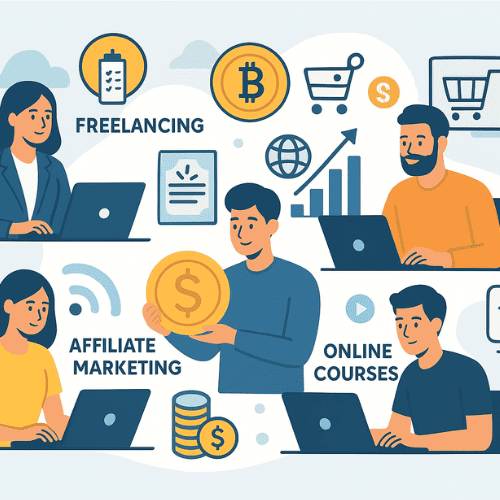
The internet has transformed the way people work, shop, communicate, and earn money. In the past, income was tied to physical presence and traditional employment structures, but today, digital platforms have broken down these barriers, creating a global economy of opportunities. “Make Money Online” is no longer just a buzzword or side hustle concept—it has become a mainstream way of building wealth, launching businesses, and gaining financial independence.
The landscape of online income is vast, ranging from freelancing and e-commerce to content creation, remote consulting, and passive investment strategies. However, success in making money online requires more than just signing up for a platform—it demands strategy, persistence, and adaptability to ever-evolving technologies.
This article explores advanced strategies for making money online in 2025 and beyond. From scalable business models like digital products and affiliate marketing to emerging opportunities in Web3, the gig economy, and knowledge monetization, we will examine how individuals can leverage digital tools to turn online activity into sustainable income streams.
The Rise of the Digital Economy
The global digital economy is now valued in trillions, driven by e-commerce, digital services, cloud computing, and online financial systems. This rapid expansion has created two critical shifts:
-
Geographic Independence – People can earn income regardless of location, creating a new class of digital nomads.
-
Low Barriers to Entry – Anyone with internet access can launch ventures with minimal upfront investment, from reselling products to launching online courses.
The future of work is increasingly online, and those who position themselves within this digital economy can achieve both income diversification and financial resilience.
Freelancing: Selling Skills in a Borderless Marketplace
Freelancing remains one of the fastest ways to generate online income. Platforms such as Upwork, Fiverr, and Toptal connect freelancers with global clients seeking expertise in design, marketing, software development, writing, and more.
How Freelancers Build Sustainable Income
-
Specialization Over Generalization: Niche expertise (e.g., UX design for fintech apps) commands higher rates than generalist work.
-
Portfolio Building: Online portfolios on sites like Behance or GitHub serve as proof of ability.
-
Scalable Pricing: Moving from hourly work to value-based pricing allows freelancers to earn more without extending hours.
For many professionals, freelancing evolves into long-term contracts, agency creation, or personal brand development, proving it is more than a short-term gig.
E-Commerce: From Dropshipping to Private Labeling
E-commerce is one of the most profitable online business models. Shopify, Amazon, and WooCommerce have made it easy for anyone to open a digital store.
Key Models in Online Selling
-
Dropshipping – Selling products without holding inventory. Low upfront costs but highly competitive.
-
Print-on-Demand – Custom-designed apparel or merchandise printed and shipped per order. Ideal for creators.
-
Private Labeling – Developing branded products, often sourced from manufacturers, offering higher margins and brand equity.
Beyond products, e-commerce entrepreneurs now embrace hybrid approaches—such as combining digital products with physical ones—to create multiple streams of revenue.
Content Creation: The Business of Attention
Attention is the new currency. Content creators on YouTube, TikTok, Instagram, and podcasts monetize their audiences through ad revenue, brand sponsorships, affiliate marketing, and product launches.
Ways Creators Monetize Attention
-
Ad Revenue Sharing: Platforms like YouTube offer consistent income once scale is reached.
-
Affiliate Links: Influencers earn commissions recommending tools, books, or courses.
-
Merchandising: Selling branded products or exclusive digital downloads strengthens community loyalty.
-
Paid Subscriptions: Patreon and Substack allow creators to monetize exclusive content.
The most successful creators diversify, treating content creation not as a hobby but as a business with multiple revenue streams.
Affiliate Marketing: Passive Income Through Influence
Affiliate marketing remains a cornerstone of online income strategies. By promoting other companies’ products and earning commissions per sale, affiliates leverage digital platforms without creating their own products.
Best Practices for Affiliate Success
-
Niche Selection: High-demand yet specific niches (e.g., eco-friendly tech, health supplements) generate higher conversions.
-
SEO and Content Strategy: Blogs, YouTube videos, and comparison websites drive organic traffic.
-
Trust and Authenticity: Transparent reviews outperform aggressive sales tactics.
When combined with blogging or content channels, affiliate marketing becomes a passive revenue machine.
Knowledge Monetization: Online Courses and Coaching
In the knowledge economy, expertise itself is a product. Platforms like Teachable, Kajabi, and Coursera have allowed individuals to build full businesses around education.
-
Courses: Structured digital programs that can be sold repeatedly.
-
Coaching/Consulting: Personalized guidance, often priced at premium rates.
-
Membership Communities: Subscription-based knowledge hubs fostering ongoing engagement.
The scalability of knowledge products makes them powerful. Once a course is recorded, it can generate income indefinitely with proper marketing.
Remote Work and the Global Gig Economy
The COVID-19 pandemic accelerated remote work adoption, but the trend has continued as businesses embrace distributed teams. Many professionals now find full-time online employment in roles once limited to offices.
Opportunities include:
-
Remote software engineering and cybersecurity.
-
Online teaching and tutoring.
-
Digital marketing and social media management.
-
Virtual assistance and project management.
For those seeking security, remote work provides steady income, while freelancing and entrepreneurship remain more flexible.
Emerging Opportunities: Web3, Crypto, and the Creator Economy
The next wave of online income lies in Web3 and decentralized platforms. These include:
-
Play-to-Earn Gaming: Earning cryptocurrency by participating in blockchain-based games.
-
NFTs: Selling unique digital assets tied to art, music, or collectibles.
-
Decentralized Finance (DeFi): Earning passive income through staking, lending, and yield farming.
Although volatile, these sectors represent the cutting edge of making money online. Those who educate themselves early may capture significant upside.
Challenges and Misconceptions
While opportunities abound, making money online is not effortless. Common misconceptions include:
-
Instant Riches Myth: Most online income streams require months or years of consistent work.
-
No-Skill Assumption: Sustainable models almost always rely on skills—writing, marketing, coding, or teaching.
-
Lack of Diversification: Relying on a single platform exposes individuals to risk if algorithms or policies change.
Success comes from treating online ventures like real businesses—requiring planning, discipline, and adaptability.
Building Long-Term Online Wealth
The most successful online earners don’t stop at a single income stream. They build ecosystems: a freelancer launches a course, a YouTuber starts an e-commerce brand, or an affiliate marketer invests profits into digital assets.
Key principles for building sustainable wealth online include:
-
Diversification – Multiple revenue streams reduce reliance on one platform.
-
Automation – Tools that streamline workflows and customer acquisition free up time.
-
Reinvestment – Profits should be reinvested into scaling marketing, skills, or product development.
-
Brand Building – A recognizable brand fosters trust and opens new monetization channels.
Long-term financial independence comes not from quick wins but from consistent building, reinvestment, and adaptation to digital trends.
Conclusion
Making money online in 2025 is no longer a fringe idea but a mainstream path to income diversification, entrepreneurship, and even full financial independence. Whether through freelancing, e-commerce, content creation, affiliate marketing, knowledge monetization, or emerging Web3 opportunities, the internet provides endless avenues for generating wealth.
However, success requires more than dabbling—it demands skill development, strategic execution, and a long-term mindset. Those who approach online income with persistence and adaptability can transform the digital landscape into not just a side hustle, but a sustainable career or business.
The online economy will continue evolving, but one truth remains constant: the opportunities are vast, and those willing to put in the effort can unlock financial freedom without geographical limits.