Introduction
The global shift to remote work has revolutionized how businesses operate. Companies now enjoy greater flexibility and access to a wider talent pool. However, this transformation also introduces a complex landscape of new cyber risks. Suddenly, your valuable data is no longer confined within secure office walls. It travels across home Wi-Fi networks and resides on personal devices.
This distributed environment creates unique vulnerabilities. Every home office becomes a potential entry point for cybercriminals. Traditional business insurance policies often fall short in addressing these modern threats. Therefore, understanding and implementing robust cybersecurity measures is crucial. More importantly, securing Cyber Liability Insurance for Remote Businesses has become an absolute necessity.
This article will explore the specific cyber challenges faced by remote businesses. We will also delve into why cyber liability insurance is not just an option, but an essential safeguard in today’s digital economy. Protecting your business means understanding these risks and preparing for them adequately.
Understanding the Unique Cyber Risks of Remote Work
Remote work environments, while offering many benefits, inherently broaden a company’s attack surface. This makes them more susceptible to various cyber threats. Business leaders must recognize these distinct vulnerabilities to implement effective protective strategies.
Distributed Attack Surface
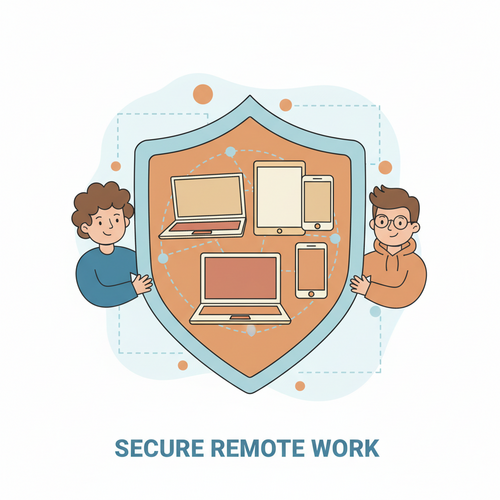
When employees work from various locations, the traditional perimeter of a corporate network disappears. Data moves between company servers, cloud services, and individual home networks. These home networks often lack the robust security protocols found in professional office settings. Personal devices may not have updated antivirus software or strong firewalls. This creates multiple weak points that cybercriminals can exploit. Every device connected to the corporate network, regardless of its location, becomes a potential vulnerability.
Phishing and Social Engineering
Remote employees might be more vulnerable to phishing and social engineering attacks. They often lack the immediate in-person support or peer validation available in an office. A malicious email or a deceptive phone call can easily trick an employee working in isolation. These attacks aim to steal credentials or deploy malware. The human element remains the weakest link in cybersecurity. Regular training is vital to educate staff about identifying and reporting suspicious activities. Without proper awareness, a single click can compromise an entire system.
Bring Your Own Device (BYOD) Policies
Many remote businesses adopt BYOD policies, allowing employees to use personal devices for work. While this saves costs, it also introduces significant risks. Personal devices may contain unsecure applications or outdated operating systems. They might also be used by family members, increasing exposure to various threats. Ensuring consistent security patches and software updates across a diverse range of personal devices is a major challenge. Businesses struggle to enforce corporate security standards on equipment they do not directly control.
Third-Party Vendor Risks
Remote businesses heavily rely on a variety of cloud services and third-party tools. These include communication platforms, project management software, and data storage solutions. Each vendor represents a potential security risk. A breach in one of these third-party services can inadvertently expose your company’s data. Understanding the cybersecurity posture of your vendors is critical. Due diligence, including reviewing their security certifications and incident response plans, is non-negotiable. Supply chain attacks are becoming increasingly common, targeting vulnerabilities within trusted partner networks.
What is Cyber Liability Insurance?
Cyber Liability Insurance is a specialized type of coverage designed to protect businesses from the financial fallout of cyber incidents. It addresses the unique and often devastating costs associated with data breaches, cyberattacks, and other digital threats. Unlike general liability policies, which typically cover physical damage or bodily injury, cyber insurance specifically focuses on risks originating from your digital operations.
This insurance helps cover a wide range of expenses that can arise after a cyberattack, including:
- Data Breach Response Costs: Expenses for forensic investigations, data recovery, and notifying affected individuals. Many regulations, like the GDPR, mandate strict notification procedures.
- Business Interruption: Reimbursement for lost income and extra expenses incurred due to a cyber incident that disrupts business operations.
- Legal Fees and Fines: Coverage for legal defense, settlements, and regulatory fines resulting from a data breach or privacy violation.
- Ransomware Payments: In some cases, policies may cover the cost of ransomware demands, though this is often a contentious area and can have limitations.
- Public Relations and Crisis Management: Costs associated with managing negative publicity and restoring your company’s reputation after a breach.
- Credit Monitoring: Providing credit monitoring services to customers whose personal information was compromised.
Understanding these comprehensive coverages is essential for any business operating in today’s digital landscape. It provides a financial safety net when preventative measures fail.
The Financial Impact of a Cyberattack on a Remote Business
A cyberattack can inflict severe financial damage on any business, but remote businesses face amplified challenges. The distributed nature of their operations can complicate incident response and recovery. The costs can quickly escalate, affecting both immediate cash flow and long-term viability.
Direct Costs
The immediate aftermath of a cyberattack involves significant direct expenses:
- Investigation and Forensics: Hiring cybersecurity experts to identify the breach’s source, assess the damage, and secure systems. These services are often expensive and critical for compliance.
- Data Recovery: Restoring compromised data from backups or, in severe cases, attempting to recover lost information. This can be a complex and time-consuming process.
- Ransom Payments: If a business falls victim to ransomware, it might face a difficult decision regarding paying the ransom. These payments can range from thousands to millions of dollars.
- System Upgrades: Investing in new hardware, software, and security protocols to prevent future attacks. This often requires substantial capital outlay.
- Credit Monitoring and Notification: The legal requirement to notify affected individuals and offer credit monitoring services adds considerable costs, especially for large breaches.
These expenses can quickly deplete a company’s financial reserves, particularly for small to medium-sized businesses.
Indirect Costs
Beyond the immediate outlays, cyberattacks trigger a cascade of indirect costs that can be even more damaging:
- Reputational Damage: A data breach erodes customer trust and can severely harm a company’s brand image. Rebuilding a damaged reputation takes time and significant marketing efforts.
- Loss of Customer Trust: Customers may choose to take their business elsewhere if they perceive your company as unable to protect their data. This leads to long-term revenue loss.
- Legal Battles and Regulatory Fines: Businesses can face lawsuits from affected parties and substantial fines from regulatory bodies. Non-compliance with data protection laws can result in penalties that cripple operations. For example, the California Consumer Privacy Act (CCPA) outlines specific requirements for data handling.
- Business Interruption and Lost Revenue: Downtime caused by a cyberattack can halt operations, leading to lost sales, missed deadlines, and contractual penalties. For remote businesses, coordinating recovery efforts across distributed teams can be particularly challenging.
- Increased Insurance Premiums: After a cyber incident, future cyber liability insurance premiums are likely to increase, adding to ongoing operational costs.
These indirect consequences highlight why proactively managing cyber risk and having appropriate insurance is paramount.
Why Remote Businesses Cannot Afford to Go Without It
For remote businesses, cyber liability insurance isn’t just a safeguard; it’s a foundational element of responsible operation. The unique vulnerabilities of distributed teams make this coverage indispensable. Without it, companies expose themselves to unacceptable levels of risk.
Regulatory Compliance
Data privacy laws are becoming increasingly stringent worldwide. Regulations like GDPR in Europe and CCPA in California impose strict requirements on how businesses handle personal data. A data breach can lead to hefty fines and legal action if a company is found non-compliant. Cyber liability insurance can help cover these significant financial penalties and legal defense costs. It ensures that a single incident does not jeopardize the entire business due to regulatory burdens.
Protecting Business Continuity
A cyberattack can bring business operations to a complete standstill. This means lost revenue, missed opportunities, and damage to client relationships. Cyber liability insurance often includes coverage for business interruption. This helps compensate for lost income and extra expenses during the recovery period. For remote teams, the ability to quickly restore operations is vital. Delays can be amplified when coordination is distributed. This coverage ensures your business can weather the storm and resume normal activities without catastrophic financial strain.
Client and Investor Confidence
In today’s digital world, clients and investors expect businesses to protect their sensitive information. A company that demonstrates a proactive approach to cybersecurity, including having robust insurance, inspires greater confidence. It signals a commitment to data protection and risk management. Conversely, a publicized cyber incident without adequate protection can severely damage trust. This can make it difficult to attract new clients or secure investments. Maintaining a strong reputation for security is a competitive advantage.
Access to Expert Resources
Many cyber liability insurance policies offer more than just financial compensation. They often provide access to a network of cybersecurity professionals. These experts can assist with incident response planning, forensic analysis, and crisis management. This is invaluable for remote businesses that may lack in-house cybersecurity expertise. Having immediate access to these specialized resources can significantly reduce the impact and recovery time of a cyberattack. It provides essential support when your business needs it most.
Choosing the Right Cyber Liability Policy
Selecting the appropriate Cyber Liability Insurance for Remote Businesses requires careful consideration. Not all policies are created equal, and what works for one company may not suit another. It is important to assess your specific needs and thoroughly review potential policies.
Here are key factors to consider when choosing a policy:
- Coverage Limits: Determine the maximum amount the insurer will pay for a covered loss. This should align with your business’s potential exposure to cyber risks. Consider your industry, the volume of sensitive data you handle, and the potential costs of a major breach.
- Deductibles: Understand the amount you must pay out-of-pocket before the insurance coverage kicks in. A higher deductible usually means lower premiums, but ensure it is an amount your business can comfortably afford in an emergency.
- Exclusions: Carefully read the policy’s exclusions. Some policies may not cover certain types of attacks, such as state-sponsored cyberterrorism, or might have specific requirements for security measures you must maintain. For example, some policies may not cover unpatched systems.
- Specific Coverages: Verify that the policy covers the types of incidents most relevant to your business. This includes ransomware, data breaches, business interruption, legal expenses, and regulatory fines. Ensure it addresses the unique risks of remote work, such as BYOD vulnerabilities.
- Incident Response Services: Look for policies that offer robust incident response support. This includes access to forensic investigators, legal counsel, and public relations firms. Rapid and expert response is critical in minimizing damage.
- Underwriter’s Expertise: Choose an insurer with a strong reputation and deep expertise in cyber insurance. They should understand the evolving threat landscape and provide valuable risk management resources.
Negotiating policies involves openly discussing your business model and cybersecurity practices with potential insurers. Be transparent about your remote work setup and the security measures you have in place. This will help you secure the most comprehensive and cost-effective coverage. Regular reviews of your policy are also important. As your business evolves and cyber threats change, your insurance needs will likely change as well.
Conclusion
The transition to remote work offers unparalleled opportunities but introduces a magnified set of cybersecurity challenges. For any business operating with a distributed workforce, the question is no longer if a cyberattack will occur, but when. Therefore, embracing comprehensive security measures alongside a robust Cyber Liability Insurance for Remote Businesses policy is non-negotiable.
This essential coverage acts as a critical financial buffer, protecting your company from the potentially devastating costs of a data breach or cyberattack. It shields your finances from direct expenses like forensic investigations and legal fees, while also mitigating indirect impacts such as reputational damage and lost customer trust. Furthermore, it helps ensure business continuity and compliance with strict data privacy regulations.
Investing in cyber liability insurance is a proactive and strategic decision. It demonstrates a commitment to safeguarding sensitive data and preserving your business’s future. Take the time to assess your unique risks, understand policy options, and secure the protection your remote business truly needs in this ever-evolving digital landscape.