Introduction
Life can be unpredictable. While many of us focus on saving for retirement or managing daily expenses, an often-overlooked yet critical aspect of financial planning is protecting your income. What would happen to your finances if an unexpected illness or injury prevented you from working? This is where disability insurance becomes essential.
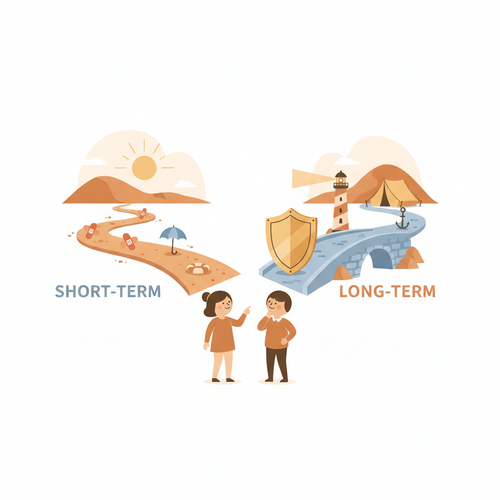
Disability insurance acts as a safety net. It replaces a portion of your income if you become unable to work due to a covered disability. Understanding the nuances between short-term and long-term policies is crucial for building a resilient financial future. Each type serves a distinct purpose, designed to cover different durations of incapacitation.
In this comprehensive guide, we will explore the critical differences between short-term and long-term disability insurance. We will examine their features, benefits, and how they fit into a robust personal financial strategy. Knowing what each offers empowers you to make informed decisions about your financial protection.
Understanding Disability Insurance
Before diving into the specifics of short-term and long-term options, it helps to grasp the fundamental concept. Disability insurance is designed to provide you with a steady income stream when you cannot perform your job due to a qualifying medical condition. It’s a vital component of a comprehensive financial plan, especially for those whose livelihoods depend on their ability to work.
What is Disability Insurance?
At its core, disability insurance replaces a percentage of your gross monthly income. This happens when you are unable to work because of a disability. This protection helps you continue to meet your financial obligations. These include mortgage payments, utility bills, and daily living expenses. Without it, a sudden loss of income can quickly derail even the most carefully constructed budget.
Many people mistakenly believe that their health insurance or workers’ compensation will cover all their needs. However, health insurance only covers medical bills. Workers’ compensation applies only to work-related injuries or illnesses. Disability insurance steps in for those non-work-related incidents that keep you from your job.
Types of Disabilities Covered
Disability insurance policies generally cover a wide range of conditions. These include both physical injuries and illnesses. Many policies also extend to certain mental health conditions. For example, severe depression or anxiety might qualify if they prevent you from working. Always review the policy details to understand specific exclusions or limitations.
A key distinction in policies involves how “disability” is defined. There are two primary definitions:
- Own-Occupation Disability: This definition means you are considered disabled if you cannot perform the main duties of your specific job. This is generally the more comprehensive and expensive option. It offers greater protection for specialists.
- Any-Occupation Disability: Under this definition, you are considered disabled if you cannot perform the duties of any occupation for which you are reasonably suited by education, training, or experience. This definition is broader and often found in more affordable policies.
Understanding these definitions is critical. It determines when you can actually receive benefits. Your occupation and career path should influence your choice here.
Short-Term Disability Insurance
Short-term disability (STD) insurance is designed to provide income replacement for temporary periods. These periods are typically after a non-work-related injury or illness. It bridges the gap for shorter absences from work, allowing you time to recover without immediate financial distress.
Key Characteristics of STD
Several features define short-term disability insurance:
- Benefit Period: This is how long you can receive benefits. STD policies usually have benefit periods ranging from 3 to 6 months. Some might extend up to a year, but this is less common.
- Waiting Period (Elimination Period): This is the time between when your disability begins and when your benefits start. For STD, waiting periods are relatively short, often 0 to 14 days. For an injury, it might be immediate. For an illness, it could be 7 days.
- Benefit Amount: STD policies typically replace a percentage of your gross income. This usually falls between 50% and 70%. The exact percentage varies by policy and provider.
These policies offer quick access to funds. This helps during unexpected, but usually manageable, periods of incapacitation. For many people, this immediate relief is invaluable.
When is STD Most Useful?
Short-term disability insurance is particularly beneficial in several common scenarios. It acts as a safety net for situations that disrupt your work for a limited time. For instance, if you break an arm and cannot type or perform manual tasks, STD can cover your income during recovery. It also helps if you undergo a minor surgery with a recovery period of a few weeks.
Perhaps one of the most common uses for short-term disability is maternity leave. Many expectant mothers rely on STD benefits to replace a portion of their income during the weeks following childbirth. This allows them to focus on recovery and their newborn without immediate financial strain. Moreover, sudden, short-term illnesses like a severe case of influenza or pneumonia, requiring extended bed rest, can also trigger STD benefits.
Common Sources of STD
Many individuals receive short-term disability coverage through their employer. This is often part of a larger employee benefits package. Employer-sponsored plans can be either fully paid by the company or offered as a voluntary benefit. With a voluntary benefit, employees contribute to the premium. These plans are usually group policies, which can sometimes mean less customization but often lower costs.
While less common, it is also possible to purchase an individual short-term disability policy. These are typically sought by self-employed individuals or those whose employers do not offer STD benefits. Individual policies often provide more flexibility in terms of coverage amounts and benefit periods. However, they may come at a higher premium. Always compare employer-provided options with individual plans to find the best fit for your circumstances.
Long-Term Disability Insurance
Long-term disability (LTD) insurance provides a crucial financial safety net for severe or chronic conditions. These conditions prevent you from working for an extended period. While short-term policies handle temporary absences, LTD steps in when a disability lasts for many months or even years.
Key Characteristics of LTD
LTD policies have distinct features tailored for prolonged income replacement:
- Benefit Period: This is a major differentiator. LTD benefit periods can last for many years, often extending until your normal retirement age (e.g., 65 or 67). Some policies might offer benefit periods for 2, 5, or 10 years. The longer the benefit period, the higher the premium typically.
- Waiting Period (Elimination Period): LTD policies have much longer waiting periods than STD. These usually range from 30 to 180 days. Common waiting periods are 90 or 180 days. This longer wait means you need other resources, like an emergency fund or STD benefits, to cover initial expenses.
- Benefit Amount: Similar to STD, LTD policies replace a percentage of your gross income. This is typically between 50% and 80%. Higher replacement percentages generally mean higher premiums.
Because LTD covers such extended periods, the underwriting process can be more thorough. Insurers carefully assess your health, occupation, and medical history. This helps them determine your risk profile and premium.
When is LTD Essential?
Long-term disability insurance becomes absolutely critical for life-altering events. These events make it impossible for you to return to your profession for an extended duration. Consider a severe car accident resulting in debilitating injuries requiring years of rehabilitation. Or, imagine a diagnosis of a chronic illness, such as multiple sclerosis or certain types of cancer. These conditions often lead to permanent or long-term work absences.
Without LTD, individuals facing such profound challenges risk depleting their life savings. They might also incur significant debt. The financial strain, combined with the emotional and physical toll of a long-term disability, can be overwhelming. LTD protects your long-term financial stability, providing peace of mind during incredibly difficult times. It allows you to focus on recovery without the added burden of lost income.
Common Sources of LTD
Like short-term disability, long-term disability insurance is often offered through employers. Many companies provide LTD as a core benefit to their employees. These group policies can be a cost-effective way to secure coverage. However, employer-sponsored LTD might not always offer sufficient coverage. It might also use an “any-occupation” definition, which could be less favorable for certain professions.
For more comprehensive protection, many individuals opt for an individual long-term disability policy. You purchase these policies directly from an insurance provider. They offer greater customization in terms of benefit amounts, benefit periods, and definitions of disability. Individual policies are “portable,” meaning they stay with you even if you change jobs. This is a significant advantage over employer-sponsored plans. You can also explore riders on existing life insurance policies. These riders sometimes offer an LTD component, though it’s essential to compare terms carefully.
The U.S. Social Security Administration (SSA) also offers disability benefits. However, qualifying for Social Security Disability Insurance (SSDI) is often challenging. It requires meeting strict criteria and has a five-month waiting period. SSDI benefits are typically lower than what a private LTD policy would provide. Therefore, SSDI should not be your sole source of disability protection.
Comparing Short-Term and Long-Term Disability Insurance
While both types of insurance protect your income, their purposes and structures differ significantly. Understanding these differences is key to building a robust financial safety net.
Key Differences at a Glance
Here’s a breakdown of the primary distinctions between short-term and long-term disability insurance:
- Benefit Period:
- Short-Term: Typically 3 to 6 months.
- Long-Term: Can last for years, often until retirement age.
- Waiting Period:
- Short-Term: Very short, 0 to 14 days.
- Long-Term: Much longer, 30 to 180 days (commonly 90 days).
- Purpose:
- Short-Term: Covers temporary absences from work, like recovery from minor surgery or maternity leave.
- Long-Term: Covers severe, prolonged, or permanent disabilities, protecting against catastrophic income loss.
- Cost:
- Short-Term: Generally less expensive due to shorter coverage duration.
- Long-Term: Typically more expensive due to extended coverage and higher potential payouts.
- Definition of Disability:
- Both can vary (own-occupation vs. any-occupation). Individual LTD policies often allow for stronger “own-occupation” definitions.
Often, these two types of policies work in tandem. Short-term benefits can cover the initial waiting period of a long-term policy. This creates a seamless transition of income protection.
Factors to Consider When Choosing
Deciding which type, or combination, of disability insurance is right for you involves evaluating several personal and financial factors:
- Employer Benefits: Start by understanding what your employer already provides. Many companies offer both STD and LTD. Know the benefit percentages, waiting periods, and maximum payout amounts.
- Emergency Savings: How robust is your emergency fund? A substantial emergency fund might allow you to self-insure for shorter disability periods. However, it’s rarely enough for long-term incapacitation.
- Job Stability and Occupation: Some professions carry higher risks of injury or illness. Manual labor jobs, for example, might prioritize disability coverage more than desk jobs. Consider how easily you could transition to another role if disabled.
- Health Condition and Lifestyle: Your current health, age, and any pre-existing conditions will influence policy availability and cost. A healthier individual might secure better rates.
- Financial Dependents: If you have a spouse, children, or other family members relying on your income, comprehensive disability coverage becomes even more critical. Their well-being depends on your ability to provide.
- Other Income Sources: Do you have other streams of income? Rental properties, investments, or a working spouse’s income could supplement lost wages. However, relying solely on these might not be sustainable long-term.
Consulting with a qualified financial advisor can help you navigate these considerations. They can help you determine the optimal coverage for your unique situation. This ensures you do not overpay or under-insure.
Integrating Disability Insurance into Your Financial Plan
Disability insurance isn’t a standalone product; it’s a vital piece of a larger financial puzzle. Integrating it thoughtfully ensures your plan remains robust against life’s uncertainties.
Assessing Your Needs
The first step is to accurately assess your income replacement needs. Start by calculating your essential monthly expenses. These include housing, food, transportation, and healthcare. Then, consider how much of your current income you would need to maintain your lifestyle if you became disabled. Most experts suggest aiming to replace 60% to 80% of your gross income. For more details on calculating income replacement needs, you can refer to resources like Investopedia’s guide on Income Replacement Ratio. This helps account for the fact that disability benefits are often tax-free if you pay the premiums with after-tax dollars. Always confirm the taxability of benefits with a tax professional.
Think about potential future expenses as well. These might include increased medical costs or home modifications due to a disability. Having a clear picture of your financial requirements will guide your coverage amount. This prevents both underinsurance and paying for more coverage than you truly need.
Employer-Provided vs. Individual Policies
Many people have some form of disability insurance through their employer. Employer-provided plans offer convenience and often lower costs. They can be a great starting point for coverage. However, they frequently have limitations:
- Limited Coverage Amounts: Group policies may cap benefits at a lower percentage or dollar amount than you need.
- Any-Occupation Definition: As mentioned, these policies often use the less favorable “any-occupation” definition of disability.
- Not Portable: If you leave your job, your employer’s coverage typically ends.
- Taxable Benefits: If your employer pays the premiums, the benefits you receive are usually taxable as income.
For these reasons, many financial advisors recommend supplementing employer coverage with an individual policy. An individual disability policy offers portability, stronger definitions of disability (like “own-occupation”), and often higher benefit limits. If you pay for it with after-tax dollars, the benefits are generally tax-free. This combination provides a more robust and personalized safety net.
A good strategy is to use your employer’s plan as a baseline. Then, purchase an individual policy to fill any gaps in coverage. This ensures comprehensive protection tailored to your specific income and professional needs. For example, the National Association of Insurance Commissioners (NAIC) offers resources to help consumers understand various insurance products and find state-specific information.
Reviewing Your Policy Regularly
Life changes constantly, and your disability insurance coverage should evolve with it. It’s not a set-it-and-forget-it type of product. You should review your policy at least every few years, or whenever a major life event occurs. Such events include getting married, having children, buying a new home, or receiving a significant salary increase.
As your income grows, your need for income replacement also increases. You might need to adjust your coverage limits to ensure you’re still adequately protected. Changes in your health or occupation can also warrant a policy review. Staying proactive with your disability insurance helps guarantee it continues to meet your financial protection needs throughout your working life.
Conclusion
Disability insurance, in both its short-term and long-term forms, is a cornerstone of responsible financial planning. It safeguards your most valuable asset: your ability to earn an income. While short-term policies provide immediate relief for temporary setbacks, long-term policies offer profound protection against life-altering events. These events could potentially jeopardize your financial stability for years.
Understanding the distinct roles of short-term and long-term disability insurance empowers you. It allows you to make informed decisions that align with your personal circumstances and financial goals. Do not leave your income to chance. Take the time to assess your current coverage, evaluate your needs, and consider how these essential policies fit into your overall financial strategy. Proactive planning today provides invaluable peace of mind for whatever tomorrow may bring.
For personalized advice, always consult with a qualified financial advisor. They can help you navigate the complexities of disability insurance and ensure your financial future is secure. Protecting your income is protecting your future.