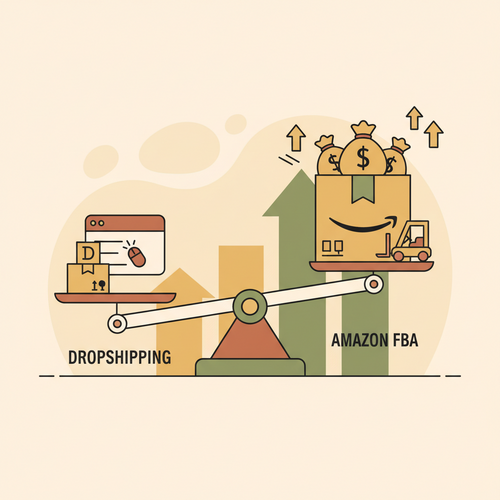
Understanding which e-commerce model yields higher profit margins is crucial for any aspiring online entrepreneur. The debate between Dropshipping vs. Amazon FBA margins often comes down to differing operational structures, cost components, and scalability. Both models present unique opportunities and challenges in the rapidly evolving digital marketplace. Consequently, a deep dive into their respective financial intricacies is essential before committing resources.
The e-commerce landscape offers various pathways to success. Many entrepreneurs are drawn to the allure of selling products online. However, the choice between fulfilling orders yourself, relying on a third party like Amazon, or utilizing a dropshipping supplier significantly impacts profitability. Ultimately, knowing where your money goes and how much you can expect to keep is paramount for sustainable growth.
Understanding Dropshipping: The Low-Entry Model
Dropshipping stands out as an attractive e-commerce model due to its notably low barrier to entry. Essentially, it allows entrepreneurs to sell products without ever holding any inventory. When a customer places an order, the retailer purchases the item from a third-party supplier, who then ships it directly to the customer. This method eliminates the need for significant upfront investment in products.
What is Dropshipping?
In simple terms, dropshipping is a retail fulfillment method. Instead of stocking goods, the store sells a product, then passes the sales order to a third-party supplier. This supplier, who could be a manufacturer, wholesaler, or another retailer, ships the product directly to the customer. Therefore, the retailer acts as a middleman, facilitating the transaction without managing physical inventory.
Advantages: Low Startup Costs, Wide Product Selection
- Minimal Capital Investment: One of the most compelling advantages is the absence of inventory costs. This significantly reduces the financial risk for new businesses. Hence, it’s an ideal starting point for those with limited capital.
- Vast Product Range: Retailers can offer an extensive catalog of products without purchasing them in bulk. This flexibility allows for rapid adaptation to market trends and customer demand. Consequently, testing new niches becomes much easier.
- Location Independence: A dropshipping business can be run from almost anywhere with an internet connection. This provides unparalleled freedom and flexibility for entrepreneurs.
Disadvantages: Supplier Dependency, Quality Control, Intense Competition
- Reliance on Suppliers: The entire operation hinges on the reliability and efficiency of third-party suppliers. Issues with product quality, shipping delays, or stock shortages can directly impact customer satisfaction.
- Quality Control Challenges: Since the retailer never handles the product, ensuring consistent quality can be difficult. This lack of direct oversight can lead to customer complaints and reputational damage.
- High Competition: The low barrier to entry also means high competition. Many dropshippers often sell identical products, driving down prices and profit margins.
Margin Considerations in Dropshipping
Dropshipping margins can vary wildly. Typically, they range from 10% to 30%, though some niches might see higher percentages. Product cost, shipping fees, payment processing fees, and marketing expenses all eat into the potential profit. Furthermore, intense price competition, especially from overseas suppliers, often forces dropshippers to operate on thinner margins. Success often depends on effective branding and superior customer service to justify slightly higher prices. For more insights into retail operations, consider resources like Investopedia’s retail sales explanations.
Exploring Amazon FBA: Leveraging E-commerce Giant
Amazon FBA, or Fulfillment by Amazon, represents a distinct e-commerce model where sellers leverage Amazon’s massive infrastructure. Sellers send their products to Amazon’s fulfillment centers, and Amazon handles storage, packing, shipping, customer service, and returns for these products. This outsourcing of logistics allows sellers to focus on product sourcing and marketing.
What is Amazon FBA?
Amazon FBA is a service offered by Amazon that helps e-commerce businesses store, pick, pack, ship, and provide customer service for their products. Essentially, Amazon takes care of the backend logistics, making it easier for sellers to scale their operations. Sellers benefit from Amazon’s trusted brand, vast customer base, and efficient fulfillment network.
Advantages: Amazon’s Fulfillment Network, Customer Trust, Prime Eligibility
- Seamless Logistics: Amazon manages the entire fulfillment process, from storage to shipping. This frees up sellers from logistical headaches and allows them to concentrate on other aspects of their business.
- Enhanced Customer Trust: Products fulfilled by Amazon often carry more credibility with customers due to Amazon’s reputation for reliable service. This can lead to higher conversion rates.
- Prime Eligibility: FBA products are eligible for Amazon Prime, offering free two-day shipping to millions of Prime members. This is a significant competitive advantage, boosting sales considerably.
- Scalability: The robust FBA infrastructure supports businesses as they grow, handling increased order volumes without requiring the seller to expand their own warehousing or shipping capabilities.
Disadvantages: FBA Fees, Inventory Management, Competition on Amazon
- Significant FBA Fees: Amazon charges various fees, including storage fees, fulfillment fees, and potentially long-term storage fees. These can significantly impact profit margins if not managed carefully.
- Inventory Management Complexity: While Amazon handles fulfillment, sellers are responsible for managing inventory levels and ensuring products reach Amazon’s warehouses. Stockouts or overstocking can lead to lost sales or increased fees.
- Intense Competition on the Platform: Selling on Amazon means competing directly with numerous other sellers, including Amazon itself. This can necessitate aggressive pricing strategies, potentially eroding margins.
- Strict Amazon Policies: Sellers must adhere to Amazon’s strict guidelines and policies. Non-compliance can lead to account suspensions or product listing removals, posing a risk to the business.
Margin Considerations in Amazon FBA
Amazon FBA margins generally range from 15% to 40%, but this can vary widely based on product category, size, weight, and selling price. The key difference lies in the comprehensive FBA fees, which account for a substantial portion of the costs. These fees cover storage, picking, packing, shipping, and customer service. Therefore, careful product selection and pricing strategies are paramount to maintaining healthy profit margins. For a deeper understanding of the e-commerce sector’s growth, publicly available data from sources like the U.S. Census Bureau can be insightful.
Cost Structures Compared: A Deep Dive into Expenses
A direct comparison of cost structures is essential for understanding the true profitability of Dropshipping versus Amazon FBA. Each model has distinct fixed and variable costs that directly influence the bottom line. Entrepreneurs must meticulously analyze these expenses to make an informed decision.
Dropshipping Cost Breakdown
- Product Cost: This is the wholesale price paid to the supplier for each item sold. It’s a direct variable cost.
- Marketing and Advertising: Costs associated with driving traffic to your store, including social media ads, Google Ads, and influencer marketing. This can be a significant variable expense.
- Website Maintenance: Costs for your e-commerce platform (e.g., Shopify subscription), domain, and any apps or plugins. These are often fixed monthly costs.
- Payment Processing Fees: Transaction fees charged by payment gateways (e.g., PayPal, Stripe), typically a percentage of each sale.
- Returns and Refunds: While suppliers might handle some aspects, returns can still incur costs for the retailer, especially if products are defective or incorrectly described.
Amazon FBA Cost Breakdown
- Product Cost: The cost of purchasing inventory from your supplier. This is an upfront investment and a direct variable cost per unit.
- FBA Fulfillment Fees: Per-unit fees charged by Amazon for picking, packing, and shipping the product to the customer. These vary by product size and weight.
- FBA Storage Fees: Monthly fees for storing inventory in Amazon’s fulfillment centers, calculated by cubic foot. These can increase significantly during peak seasons.
- Shipping to Amazon: Costs incurred to ship your inventory from your supplier or manufacturer to Amazon’s fulfillment centers.
- Referral Fees: Amazon’s commission on each sale, typically a percentage of the selling price, varying by product category.
- Marketing (PPC) and Promotions: Costs for Amazon Sponsored Products or other advertising within the platform to increase visibility.
- Returns Processing: Amazon handles returns, but the seller still bears the cost of the refunded product and potentially a return processing fee.
Factors Influencing Margins in Both Models
Several critical factors profoundly impact the profitability of both dropshipping and Amazon FBA businesses. Understanding these elements is key to optimizing margins regardless of the chosen model. Strategic decisions in these areas can significantly differentiate a thriving business from a struggling one.
Product Selection and Niche
The type of product and the niche it serves are paramount. High-demand products with unique value propositions or those that solve a specific problem often command better margins. Furthermore, avoiding saturated markets can reduce price competition. Researching market trends and identifying underserved niches are vital steps for either model.
Supplier Relationships/Sourcing
For dropshipping, a reliable supplier offering competitive pricing and consistent quality is non-negotiable. Strong relationships can lead to better deals and fewer fulfillment issues. Similarly, for FBA, sourcing high-quality products at a low cost is crucial for healthy margins, especially when factoring in Amazon’s fees. Building rapport with manufacturers or wholesalers can provide a competitive edge.
Marketing and Customer Acquisition
Effective marketing is a substantial cost driver and, simultaneously, a margin enhancer. For dropshippers, mastering digital marketing channels (social media, SEO, paid ads) is essential to drive traffic and convert sales. For FBA sellers, optimizing product listings, leveraging Amazon PPC, and building brand presence are crucial. High customer acquisition costs can quickly erode margins if not managed efficiently.
Return Rates and Customer Service
High return rates can be detrimental to profitability in both models. Each return typically incurs shipping costs, restocking fees (for FBA), and potentially lost product value. Excellent customer service, proactive communication, and clear product descriptions can help minimize returns. While Amazon handles FBA customer service, dropshippers are directly responsible for managing inquiries and resolving issues, which impacts time and resources.
Scalability and Operational Efficiency
The ability to scale operations efficiently directly influences long-term margins. Dropshipping offers high scalability with minimal effort, as physical fulfillment is outsourced. However, managing a growing number of suppliers and customer service inquiries can become complex. FBA scales well due to Amazon’s infrastructure, but managing inventory across multiple fulfillment centers and forecasting demand accurately becomes critical to avoid excessive storage fees or stockouts. Operational efficiency, therefore, translates directly into cost savings and higher profits.
Which Model Yields Higher Margins? A Comparative Analysis
Determining which e-commerce model consistently yields higher margins is not straightforward. Both Dropshipping and Amazon FBA possess inherent advantages and disadvantages that influence profitability. The optimal choice often depends on an entrepreneur’s resources, risk tolerance, and long-term business goals.
Scenario Analysis: High vs. Low Margins in Each
In dropshipping, high margins are often found with unique, trending products sold through effective, targeted marketing campaigns that justify a premium price. Conversely, low margins are common with generic, highly competitive products where pricing is the primary differentiator. For Amazon FBA, high margins come from proprietary products, strong branding, and efficient inventory management, minimizing storage fees. Low margins typically occur with commoditized items, high FBA fees due to large/heavy products, and intense competition driving down prices. The Federal Trade Commission offers useful information regarding online advertising regulations that can impact marketing spend and thus margins.
When Dropshipping Might Offer Better Margins
Dropshipping can potentially offer better margins in specific scenarios. This is particularly true for businesses focused on niche markets with less competition. If a dropshipper excels at finding unique products and developing a strong brand identity, they can often command higher prices than those competing solely on cost. Moreover, if marketing costs are kept under control through organic growth or highly efficient ad campaigns, the absence of inventory and FBA fees can result in a larger percentage of the revenue remaining as profit. This model also favors those who prefer to test many products with minimal financial commitment.
When FBA Might Offer Better Margins
Amazon FBA often provides superior margins for sellers with established brands, proprietary products, or a strong understanding of Amazon’s ecosystem. The ability to leverage Prime shipping and Amazon’s customer trust can lead to higher sales volumes and, consequently, greater overall profit, even if the per-unit margin is slightly lower after fees. Products that are small, lightweight, and have a high selling price-to-cost ratio are particularly well-suited for FBA profitability. Furthermore, sellers who can efficiently manage their inventory to avoid long-term storage fees and minimize stockouts tend to achieve higher margins. The sheer volume and efficiency of Amazon’s fulfillment can create economies of scale that dropshipping cannot match for certain product types.
Conclusion
Ultimately, the question of whether Dropshipping or Amazon FBA yields higher margins does not have a single, definitive answer. Both models present distinct paths to profitability, each with its own set of advantages and challenges. Dropshipping typically offers a lower entry barrier and greater flexibility in product testing, potentially leading to higher percentage margins if niche products and effective marketing are employed. However, it often comes with less control over the customer experience and intense price competition.
Conversely, Amazon FBA leverages the massive reach and logistical efficiency of Amazon, often leading to higher sales volumes and enhanced customer trust. While FBA fees can be significant, strategic product selection, efficient inventory management, and a strong brand presence can result in substantial overall profits. Therefore, the choice between Dropshipping and Amazon FBA hinges on individual business goals, capital availability, risk tolerance, and the specific products being sold. Careful consideration of each model’s cost structure and operational demands is paramount for achieving sustainable profitability in the dynamic world of e-commerce.