Introduction
When you take out a loan, whether it is for a home, a car, or your education, it can be easy to think that the terms are set in stone. Many people believe that the interest rate they get on day one is the rate they are stuck with forever. However, this is often not the case. There is a powerful financial strategy that can help you get a better deal on your existing debt. This strategy is called refinancing.
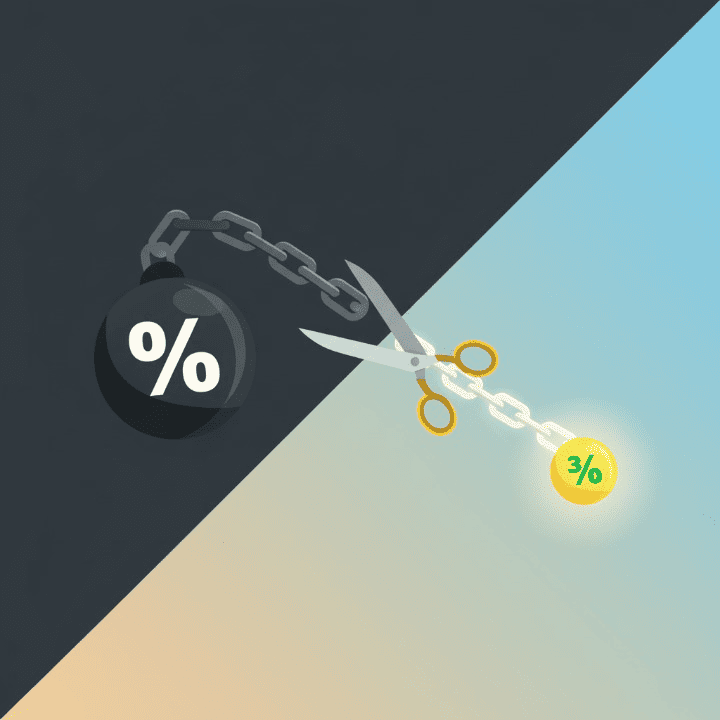
In simple terms, refinancing is the process of replacing an existing loan with a new one that has better terms. For most people, the primary goal is to secure a lower interest rate. This can lower your monthly payments and save you a huge amount of money over time. This guide will explain the basics of refinancing. We will also cover how it works for different types of loans and when it might be a smart move for you.
What is Refinancing and Why Should You Consider It?
First, let’s go deeper into the definition. When you refinance a loan, you are essentially applying for a brand new loan. You then use the funds from this new loan to pay off your old loan completely. From that point on, you only have the new loan to pay back, hopefully with much better terms.
The Primary Goal: Lowering Your Interest Rate
The number one reason people refinance is to get a lower interest rate. A lower rate has two major benefits. First, it almost always leads to a lower required monthly payment. This can free up hundreds of dollars in your budget each month. Second, it reduces the total amount of interest you will pay over the life of the loan. This can result in thousands, or even tens of thousands, of dollars in savings.
Other Potential Goals for Refinancing
While a lower rate is the most common goal, there are other reasons to refinance. For instance, some people refinance to change their loan term. You might refinance a 30-year mortgage into a 15-year mortgage to pay off your home much faster. Others might use a “cash-out” refinance on their home to access their equity for a major expense.
When is Refinancing a Smart Move?
A refinancing opportunity is created when there is a positive change in either the market or your personal financial situation. Here are the key conditions to look for.
1. Market Interest Rates Have Dropped. Interest rates in the broader economy are always fluctuating. If the general interest rate environment has improved significantly since you first got your loan, there is a good chance you can qualify for a much better deal today.
2. Your Credit Score Has Significantly Improved. This is a factor that you have direct control over. Your credit score is a primary factor in the rate you are offered. If you have been making on-time payments and managing your debt responsibly, your credit score has likely increased. A higher score makes you a less risky borrower in the eyes of lenders. As a result, they will reward you with a lower interest rate. This is a direct financial benefit of your good habits.
3. You Need to Lower Your Monthly Payments. Finally, if you are feeling financial pressure, refinancing can be a key strategy. Securing a lower payment can improve your monthly cash flow. This can, in turn, reduce your financial stress and improve your overall financial health.
A Look at Refinancing Different Types of Loans
The process of refinancing can look a little different depending on the type of debt.
Mortgage Refinancing
This type of refinancing often offers the biggest potential for savings due to the large loan size. Even a one percent reduction in your interest rate can save you tens of thousands of dollars over the life of the loan. The process is very similar to getting your original financing. You will need to go through a full application process, and there will be closing costs. You will also need to show proof of current homeowner’s insurance.
Auto Loan Refinancing
Refinancing a car loan is typically a much simpler and faster process than refinancing a mortgage. There are often fewer fees involved. This can be a great option if your credit has improved since you first bought the car. It can be a quick way to lower your monthly payment.
Student Loan Refinancing
This involves taking out a new private loan to pay off your existing student loans. This can be a great way to lower your interest rate, especially if you have high-rate private loans. However, you must be very careful. If you refinance your federal student loans into a private loan, you will permanently lose access to all federal protections, like income-driven repayment plans and forgiveness programs.
Credit Card Debt Refinancing
Refinancing high-interest credit card debt is usually called debt consolidation. There are two main ways to do this. The first is to take out a personal loan. You can use this loan, which will hopefully have a much lower interest rate, to pay off all of your credit card balances. The second option is to use a balance transfer credit card. These cards often have a 0% introductory interest rate for a period of 12 to 21 months, giving you time to pay down your debt interest-free.
The Refinancing Checklist: Are You Ready?
Before you start applying, you should go through this simple checklist.
1. Know Your Current Loan Details. First, you must know your current interest rate, your outstanding balance, and your current monthly payment.
2. Know Your Credit Score. This is the most important piece of information you have. Knowing your score will tell you what kind of rate you can likely expect to qualify for.
3. Shop Around for Offers. Next, you must get quotes from multiple lenders. This is the only way to ensure you are getting the absolute best deal available.
4. Do the Math. Finally, you need to make sure the numbers make sense. You must ensure that the savings from the new, lower interest rate will be greater than any costs associated with the refinancing process, such as closing costs.
Conclusion
In conclusion, refinancing is a powerful and proactive financial management strategy. It allows you to take advantage of a better interest rate environment or your own improved credit profile. It is not a passive process. It is an action you can take to actively improve your financial situation.
The core idea is simple. You are replacing an old, more expensive loan with a new, cheaper one. This puts you in control.
Do not just assume that your current loan terms are permanent. You should regularly review your debts and keep an eye on the market. By doing so, you can identify smart opportunities to refinance. This simple act can save you a significant amount of money. It can also help you accelerate your journey toward your most important financial goals.