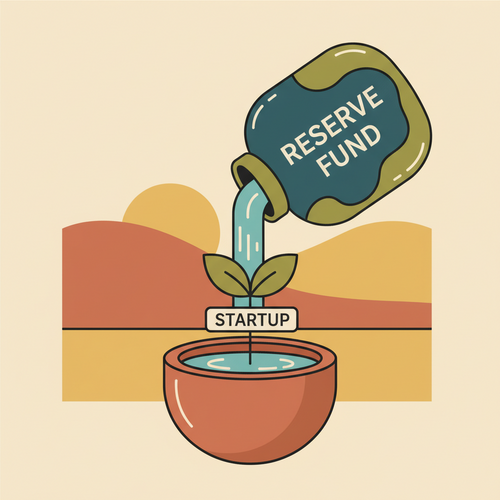
Starting a new venture is exhilarating, but it also comes with its share of uncertainties. Ignoring potential risks can quickly derail even the most promising startup. That’s where a robust contingency fund becomes your most valuable asset.
Quick Summary: Protect Your Startup
- 🛡️ Build a financial safety net specifically for unexpected challenges.
- 💰 Aim for 3-6 months of operating expenses, adjusting for your industry.
- 🔄 Treat your fund as a dedicated, untouchable resource for true emergencies only.
In my experience, many first-time founders are so focused on growth they forget about potential pitfalls. A well-managed startup contingency fund is not just a nice-to-have; it’s a non-negotiable for long-term survival. It’s the difference between a minor setback and a full-blown crisis.
What Exactly is a Contingency Fund?
Simply put, a contingency fund is a reserve of money specifically set aside for unforeseen expenses or emergencies. Think of it as your startup’s financial safety net, designed to catch you when unexpected events occur. This fund is separate from your regular operating capital.
It acts as a buffer against market downturns, equipment failures, unexpected legal fees, or even sudden client losses. Having this financial cushion allows you to navigate rough patches without panicking or resorting to desperate measures. It provides peace of mind and operational stability.
💡 Pro Tip: Fund it Like a Bill
Treat contributions to your startup contingency fund like a fixed monthly expense. Automating these transfers ensures consistent growth and prevents you from “forgetting” to save. Make it a non-negotiable line item in your budget from day one.
Why Your Startup Absolutely Needs One
Startups operate in dynamic environments where predictability is a luxury. You simply cannot foresee every challenge that will come your way. A contingency fund provides the agility to adapt without jeopardizing your core business.
Imagine a key piece of equipment breaks down, halting your production. Without a contingency fund, replacing it could mean dipping into crucial operational capital, stifling growth. Or, consider a sudden downturn in demand for your product or service.
- ⚡ Unexpected equipment failures: Machines break, technology glitches.
- ⚖️ Unforeseen legal costs: Disputes, compliance issues can arise without warning.
- 📉 Market fluctuations or economic slowdowns: Sales can drop unexpectedly.
- 🧑💻 Sudden loss of a major client: This can severely impact your revenue stream.
- 🚨 Regulatory changes: New laws might require costly adjustments to your operations.
These scenarios are not just hypothetical; they are very real risks every startup faces. A robust startup contingency fund ensures you can weather these storms. It allows you to maintain payroll, pay suppliers, and keep the lights on during difficult times.
How Much Should You Save? The Golden Rules
Determining the exact amount for your fund isn’t a one-size-fits-all answer. A common recommendation is to aim for 3 to 6 months of your operating expenses. This includes rent, salaries, utilities, software subscriptions, and other recurring costs.
However, this can vary significantly based on your industry, business model, and risk tolerance. High-risk or seasonal businesses might need a larger buffer, perhaps up to 9 or 12 months. A stable SaaS company might manage with less.
| Factor | Low Risk Startup | High Risk Startup |
|---|---|---|
| Industry Volatility | Stable, predictable revenue (e.g., mature SaaS) | New markets, high competition, seasonal demand (e.g., hospitality, physical retail) |
| Recommended Fund Size | 3-6 months operating expenses | 6-12 months operating expenses |
| Cash Flow Predictability | Consistent, recurring revenue | Irregular, project-based, or seasonal income |
| Access to Credit | Established lines of credit, good relationships | Limited or no credit history, reliance on equity |
| Example Scenario | Minor software bug requiring quick fix. | Major supply chain disruption or sudden regulatory ban. |
To calculate your target, simply add up all your monthly fixed and variable operating costs. Then, multiply that total by your desired number of months (e.g., 6). This gives you a clear financial goal.
Building Your Fund: Practical Steps
Creating your startup contingency fund requires discipline and a strategic approach. The key is to start early and be consistent with your contributions. Even small amounts add up over time.
First, open a dedicated, separate savings account for this fund. Do not commingle these funds with your operational cash. This ensures clarity and prevents accidental spending on non-emergency items.
- 📊 Calculate your target: Determine 3-12 months of operating expenses.
- 🏦 Open a dedicated account: Keep it separate from daily operations.
- 💸 Automate contributions: Set up a recurring transfer from your main account.
- 📈 Prioritize contributions: Treat it like a critical expense, not an afterthought.
- 🔍 Review and adjust: Reassess your fund size annually or after significant growth.
In my experience, the biggest mistake beginners make is waiting until things get tough to start saving. The best time to build a contingency fund is when your startup is thriving. This allows you to accumulate reserves without stress.
When to Tap Into Your Contingency Fund
This fund is for true emergencies, not for covering everyday operational shortfalls or funding new projects. Resist the temptation to use it for non-critical expenses, even if cash flow is tight. Doing so defeats its entire purpose.
A true emergency is an unexpected event that threatens your startup’s ability to operate or survive. This could be a natural disaster, a sudden lawsuit, or a catastrophic equipment failure. It’s about protecting existing operations, not expanding them.
⚠️ Warning: Avoid Mission Creep!
Do not use your contingency fund for expansion, marketing pushes, or covering regular payroll if you simply overspent. These are not emergencies; they are budgeting issues. Protect the integrity of your safety net at all costs.
Using your fund wisely means distinguishing between a genuine crisis and a temporary inconvenience. Every decision to dip into the fund should be carefully considered and documented. This accountability is crucial for maintaining your financial discipline.
Replenishing Your Safety Net
Once you’ve had to use your startup contingency fund, your immediate priority should be to replenish it. Treat it like an essential part of your recovery strategy. You never know when the next unexpected challenge will arise.
Develop a clear plan for how you will restore the fund to its target level. This might involve reallocating a portion of future profits or temporarily tightening other discretionary spending. The sooner you rebuild it, the safer your startup becomes.
- 🎯 Set a clear replenishment goal: Determine the amount needed to get back to your target.
- 📅 Create a timeline: Establish a realistic timeframe for rebuilding the fund.
- 💲 Dedicate a percentage of profits: Allocate a portion of your revenue to fund restoration.
- 🚫 Temporarily cut non-essential spending: Reallocate these funds to your contingency account.
- 🔁 Maintain consistent contributions: Resume automated transfers as soon as possible.
Remember, building and maintaining a strong startup contingency fund is an ongoing process. It’s a testament to responsible financial stewardship and foresight. Your startup’s resilience depends on it.
Conclusion
Creating a robust startup contingency fund isn’t just about saving money; it’s about building an unshakeable foundation for your business. It empowers you to face the unpredictable nature of entrepreneurship with confidence and stability. Don’t wait for a crisis to realize its importance.
By diligently setting aside funds, you are not just preparing for the worst; you are ensuring your startup has the best chance to thrive long-term. Your financial foresight today will directly impact your business’s future resilience. What steps will you take this week to begin building or strengthening your startup contingency fund?