Introduction
Credit card debt can feel like a heavy burden. High-interest rates often make it seem impossible to make real progress. Many people find themselves trapped in a cycle of minimum payments. This situation barely covers the interest, leaving the principal balance largely untouched. It creates a feeling of financial stagnation and stress.
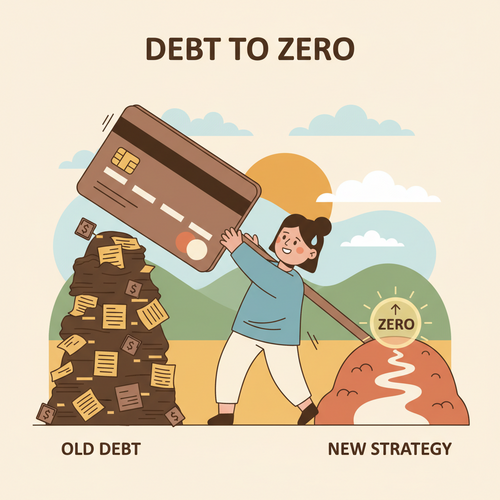
Fortunately, there are strategic tools to help you break free. One powerful method is the balance transfer credit card debt strategy. This approach can significantly accelerate your path to becoming debt-free. It helps you save a substantial amount on interest charges. Understanding how to execute a balance transfer effectively is crucial for your financial well-being.
This comprehensive guide will walk you through every step. You will learn what a balance transfer is and how it works. We will explore its benefits and potential drawbacks. Moreover, we will provide a clear, actionable plan for successfully moving your debt. Our goal is to empower you with the knowledge needed to manage your finances better. You can achieve true financial freedom with the right information.
What is a Balance Transfer and How Does It Work?
A balance transfer involves moving debt from one or more high-interest credit cards to a new credit card. This new card typically offers a much lower, often 0%, introductory Annual Percentage Rate (APR). This promotional period can last anywhere from 6 to 21 months. During this time, every dollar you pay goes directly towards reducing your principal balance. You avoid the heavy burden of interest accumulation. It is a strategic move designed to give you a significant advantage in paying down debt.
The Core Mechanism
- Application for a New Card: First, you apply for a new credit card. This card must specifically advertise balance transfer offers. Lenders will review your creditworthiness. They assess your credit score, income, and existing debt.
- Credit Limit Approval: If approved, the issuer assigns you a credit limit. This limit determines how much debt you can transfer. It is important to remember that this limit might not cover all your existing debt.
- Initiating the Transfer: Once approved, you request the balance transfer. You provide details of your existing credit card accounts. The new card issuer then pays off the specified balances on your old cards. The equivalent amount is added to your new balance transfer card.
- Promotional Period Begins: The 0% APR period starts almost immediately after the transfer. This is your critical window. Your focus during this time should be aggressive debt repayment.
The primary benefit of this process is simple: it allows you to hit the pause button on interest. Imagine paying $0 in interest for a year or more. This means all your payments directly attack the principal. This direct approach can dramatically shorten your debt repayment timeline. It also saves you hundreds or even thousands of dollars. Therefore, a balance transfer is more than just moving debt. It is about creating an opportunity for faster, more efficient debt elimination.
Is a Balance Transfer Right for You? Pros and Cons
Before initiating a balance transfer, consider if it aligns with your financial situation. This powerful tool is not a one-size-fits-all solution. Weighing its advantages against its potential drawbacks is essential. This will help you make an informed decision. Let’s explore the key pros and cons.
Pros of a Balance Transfer
- Significant Interest Savings: This is the most compelling advantage. A 0% introductory APR period means you pay no interest on the transferred balance. This can save you a substantial amount of money. Imagine what you could do with those savings.
- Faster Debt Repayment: With all payments going to the principal, you can pay off your balance transfer credit card debt much quicker. It creates a clear, tangible path to becoming debt-free.
- Debt Consolidation: You can consolidate multiple credit card debts into a single payment. This simplifies your finances. It makes it easier to track your progress and manage your budget.
- Motivation Boost: Seeing your principal balance decrease rapidly can be incredibly motivating. It provides a psychological boost. This encourages continued discipline in your repayment efforts.
- Improved Credit Utilization: If the new card has a higher credit limit and you keep your old accounts open with zero balances, your overall credit utilization ratio may improve. This can positively impact your credit score over time. However, this is a long-term benefit and not guaranteed immediately.
Cons of a Balance Transfer
- Balance Transfer Fees: Most balance transfer cards charge a fee. This is usually 3% to 5% of the transferred amount. For example, a 3% fee on a $5,000 transfer is $150. You must factor this into your calculations.
- Potential for New Debt: Transferring debt can sometimes create a false sense of security. You might be tempted to use your old cards or even the new card for new purchases. This could lead to accumulating more debt.
- Impact on Credit Score: Applying for a new credit card results in a hard inquiry on your credit report. This can temporarily lower your credit score by a few points. It typically recovers within a few months.
- Introductory Period Expiration: The 0% APR period is temporary. If you do not pay off the transferred balance before it ends, the remaining balance will accrue interest at a much higher standard rate. This rate can sometimes be even higher than your original cards.
- Credit Limit Limitations: The new card’s credit limit might not be high enough to transfer all your existing debt. This means you might still have high-interest debt remaining on other cards.
- Annual Fees: Some balance transfer cards come with annual fees. You need to consider these costs. Ensure they do not outweigh the interest savings.
Carefully evaluate these points. If you are disciplined and committed to paying off the debt, a balance transfer can be a fantastic tool. However, if you struggle with overspending, it might create a bigger problem. Consider your habits and financial commitment first.
Steps to Successfully Execute a Balance Transfer
Executing a balance transfer effectively requires careful planning and execution. It’s not just about moving numbers from one account to another. It’s about setting yourself up for success. Follow these steps to maximize your chances of eliminating your balance transfer credit card debt.
Step 1: Assess Your Debt and Credit Score
- Calculate Your Total Debt: Make a list of all your credit card balances. Note their respective interest rates. Understand the total amount you need to transfer. This helps you determine the ideal credit limit for your new card.
- Check Your Credit Score: Your credit score is critical for approval. Most attractive 0% APR balance transfer offers are reserved for individuals with good to excellent credit (typically FICO scores of 670 and above). You can get free credit reports from AnnualCreditReport.com and check your score through various financial apps or credit card issuers. Knowing your score helps you gauge your eligibility.
Step 2: Research and Compare Balance Transfer Offers
This is arguably the most crucial step. Do not rush into the first offer you see. Look for cards with the following features:
- Longest 0% APR Period: Aim for the longest possible introductory period. This gives you more time to pay off your debt interest-free. Periods of 12 to 21 months are common.
- Lowest Balance Transfer Fee: Most cards charge a fee, usually 3-5%. Some rare cards offer no fee, but they might have shorter promotional periods or other drawbacks. Prioritize the lowest fee you can find, as it directly impacts your savings.
- No Annual Fee: A card with no annual fee is preferable. An annual fee will eat into your interest savings.
- Understand the Standard APR: After the introductory period, a standard APR will apply. Ensure this rate is competitive. You want to avoid a huge jump if you cannot pay off the full balance in time.
- Read the Fine Print: Always read the terms and conditions carefully. Look for details on late payment penalties or any conditions that could revoke your 0% APR offer early.
Step 3: Apply for the New Card
Once you’ve identified the best offer, complete the application. Be honest and accurate with all information. The issuer will conduct a hard inquiry on your credit report. This might cause a slight, temporary dip in your score. This is a normal part of the process. If approved, you will receive details about your credit limit.
Step 4: Execute the Transfer
- Initiate Promptly: Most cards require you to initiate the balance transfer within a certain timeframe, often 60 days, of opening the account. Do not delay.
- Provide Accurate Information: You will need the account numbers and amounts from the credit cards you wish to pay off. Double-check these details to prevent errors.
- Continue Old Payments: Keep making minimum payments on your old credit cards until you confirm the transfer is complete. A transfer can take one to three weeks. You do not want to incur late fees or damage your credit during this waiting period.
- Verify the Transfer: Once you receive confirmation, check your old credit card statements. Ensure the balances have been paid off. Also, confirm the transferred amount accurately appears on your new card.
Step 5: Develop a Repayment Strategy
This step is paramount for success. A balance transfer is only effective if you use the 0% APR period wisely.
- Aggressive Repayment: Calculate how much you need to pay each month to clear the entire transferred balance before the promotional period ends. Divide the total transferred amount by the number of months in your 0% APR period. Stick to this payment plan diligently.
- Avoid New Purchases: Do not use the balance transfer card for new purchases. If you do, these new purchases will likely accrue interest at the standard (non-promotional) APR immediately. This defeats the purpose of the transfer. Keep that card solely for the transferred debt.
- Budgeting and Discipline: Create a strict budget. Find areas where you can cut expenses to free up more money for debt repayment. Discipline is your greatest asset during this period. Consider using a budgeting app or spreadsheet to track your spending and progress.
Common Pitfalls to Avoid
While a balance transfer offers a clear path to debt relief, several common mistakes can derail your efforts. Being aware of these traps will help you navigate the process successfully. Avoid these pitfalls to truly benefit from your balance transfer credit card debt strategy.
Not Paying Off the Balance Before the Promotional Period Ends
This is arguably the biggest mistake. Many individuals fail to pay off the entire transferred balance within the 0% APR window. Once the promotional period expires, the remaining balance will be subject to a much higher standard interest rate. This can quickly negate any savings you achieved. Always have a clear repayment plan and stick to it.
Accumulating New Debt
It is tempting to see zero balances on your old credit cards and start using them again. This is a dangerous trap. Resist the urge to make new purchases. Similarly, do not use your new balance transfer card for everyday spending. The goal is to eliminate debt, not to shuffle it around or add to it. Cut up your old cards if necessary, or put them away somewhere inaccessible.
Ignoring Balance Transfer Fees
While a 3-5% fee might seem small, it adds up. If you transfer a large sum, say $10,000, a 3% fee means you immediately owe an extra $300. Always factor this fee into your calculations. Ensure the interest savings from the 0% APR period significantly outweigh this initial cost. Sometimes, a smaller transfer or a different debt repayment strategy might be more cost-effective if fees are too high.
Applying for Too Many Cards
Each credit card application results in a hard inquiry on your credit report. Too many inquiries in a short period can negatively impact your credit score. This signals to lenders that you might be a higher credit risk. Be strategic and apply for only one balance transfer card at a time. Focus on getting approved for the best offer. You can then work on paying down that debt.
Missing Payments
Missing a payment on your new balance transfer card can have severe consequences. Many issuers will revoke your 0% APR offer if you miss a payment. This means the standard, high-interest rate will kick in immediately. Set up automatic payments to ensure you never miss a due date. This protects your promotional rate and your credit score.
Not Verifying the Transfer
Assume nothing when it comes to financial transactions. Always confirm that your balances have been successfully transferred. Check both your old card statements and your new card statement. Discrepancies can occur, and resolving them quickly prevents further issues and stress. You should maintain records of all communications regarding the transfer for your reference.
Overestimating Your Repayment Ability
Be realistic about how much you can truly afford to pay each month. Do not set an overly ambitious repayment goal that you cannot meet. An unrealistic plan leads to frustration and potential failure. Create a budget first. Then, determine a sustainable monthly payment amount that allows you to clear the debt within the promotional period.
By avoiding these common mistakes, you significantly increase your chances of successfully using a balance transfer. This will move you closer to financial freedom.
Beyond the Transfer: Sustaining Debt-Free Living
Successfully executing a balance transfer is a significant achievement. However, it is just one step on your journey to lasting financial health. The ultimate goal is to build habits that prevent future debt accumulation. This section explores strategies for sustaining a debt-free lifestyle long after your balance transfer credit card debt is gone.
Budgeting Fundamentals
A robust budget is the cornerstone of financial control. It helps you understand where your money goes. More importantly, it helps you direct your money towards your goals. Popular budgeting methods include:
- The 50/30/20 Rule: This method allocates 50% of your income to needs, 30% to wants, and 20% to savings and debt repayment. It provides a simple framework for managing your money.
- Zero-Based Budgeting: Every dollar has a job. You assign every dollar of your income to a specific category. This ensures no money is unaccounted for.
- Envelope System: For cash users, this involves allocating physical cash into envelopes for different spending categories. Once an envelope is empty, you stop spending in that category.
Regularly review and adjust your budget. Life changes, and your budget should too. It is a living document that reflects your current financial reality.
Building an Emergency Fund
An emergency fund is crucial for preventing future reliance on credit cards. This fund covers unexpected expenses. Think car repairs, medical emergencies, or job loss. Aim to save 3-6 months’ worth of living expenses in an easily accessible savings account. This financial cushion acts as a buffer. It prevents you from falling back into debt when unforeseen events occur.
Credit Monitoring and Health
Regularly monitor your credit report and score. This allows you to spot errors or fraudulent activity quickly. It also helps you understand how your financial decisions impact your creditworthiness. Services like Experian, TransUnion, and Equifax offer free access to your credit reports. Understanding your credit health is vital for future financial endeavors, such as securing loans or mortgages.
Long-Term Financial Planning
Once your high-interest debt is under control, shift your focus to long-term goals. This includes retirement planning, investing, and saving for major purchases. Consider consulting a financial advisor. They can help you create a personalized financial plan. This plan should align with your aspirations and risk tolerance. Financial education is an ongoing process. Continuously seek to learn and improve your financial literacy. For more detailed information on credit card management and consumer protection, visit the Consumer Financial Protection Bureau (CFPB) website.
Embracing these habits creates a strong foundation. It ensures that the effort you put into your balance transfer pays off for years to come. You will not only be debt-free but also financially resilient.
Conclusion
Managing credit card debt can be overwhelming. However, a balance transfer offers a powerful and effective strategy for taking control. By moving high-interest debt to a card with a 0% introductory APR, you create a valuable window. This allows you to pay down your principal balance without the heavy burden of interest. It is a smart financial move when executed correctly.
Remember, success hinges on careful planning and discipline. Assess your debt, research the best offers, and apply strategically. Most importantly, commit to an aggressive repayment plan during the promotional period. Avoid common pitfalls like accumulating new debt or missing payments. These actions will ensure your balance transfer truly helps you achieve your financial goals.
This approach is more than just a quick fix. It is an opportunity to reset your financial trajectory. By using a balance transfer responsibly, you can significantly reduce your balance transfer credit card debt faster. This empowers you to build a more secure and prosperous financial future. Take charge of your debt today and embark on your journey towards lasting financial freedom.