Introduction
In today’s fast-changing digital world, the dream of building a successful online business that brings in a lot of money is easier to reach than ever before. In fact, many aspiring entrepreneurs seek pathways to financial independence, aiming for consistent revenue streams like $10,000 per month. Achieving this, however, often requires smart strategies, efficient operations, and using the latest technology.
Digital entrepreneurship offers amazing flexibility and reach. Building and scaling a successful venture, though, demands considerable time and effort. This is where AI automation comes into play. Specifically, by using sophisticated AI tools and intelligent systems, businesses can streamline operations, boost productivity, and find new ways to grow.
This article explores how strategic AI automation can transform your online business, helping you build a scalable model capable of reaching and passing a $10,000 monthly income goal. Additionally, we will dive into specific applications, practical strategies, and the new mindset you need to use these powerful tools well.
Understanding the Core Principles of Automated Business
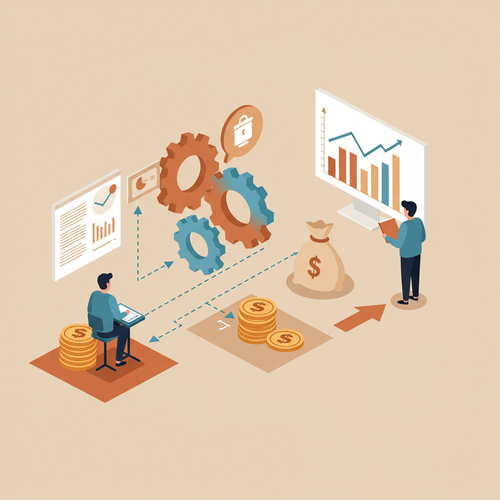
At its heart, an automated business uses technology to perform repetitive tasks, manage workflows, and even make data-driven decisions without constant human help. As a result, this approach frees entrepreneurs from manual busywork, allowing them to focus on strategic growth and innovation.
Key areas ready for automation include customer service, marketing, sales, and even content creation. When these functions run on their own, businesses gain huge advantages. For example, AI systems can send personalized emails to leads based on their interactions, ensuring timely and relevant communication.
The mindset shift for entrepreneurs involves moving from doing everything by hand to managing the overall strategy. In other words, instead of doing every task, you become the architect of systems that do these tasks for you. This key change allows for much greater scalability because your business is no longer limited by your personal time or manual work.
The benefits are huge. For instance, businesses can achieve higher efficiency, lower operational costs, and keep a consistent quality across all operations. Furthermore, automated systems work tirelessly, 24/7, providing continuous value to customers and driving sales even while you are focused on other tasks or taking a well-deserved break.
Identifying High-Potential Online Business Models for Automation
Not all online business models are a good fit for heavy automation. Therefore, focusing on models with built-in scalability and repeatable processes will maximize the impact of AI automation. Here are several models that work extremely well with this approach:
E-commerce Ventures
Businesses involved in dropshipping or print-on-demand benefit immensely. You can automate inventory management, order processing, and customer communication to make them seamless. For example, platforms like Shopify integrate with various apps to automate almost every aspect from the storefront to fulfillment.
Digital Product Sales
Creating and selling digital products like online courses, e-books, templates, or software is another fantastic model. You can automate almost the entire process. For example, automated systems can handle product delivery, payment processing, and even entire follow-up email sequences on autopilot. This model offers high-profit margins and very little overhead once you create the product.
Content Creation and Monetization
For bloggers, YouTubers, or podcasters, AI automation can truly change the game. Specifically, it can revolutionize content scheduling, promotion, and engagement. AI tools can help with content idea generation, social media posting, and analyzing audience metrics. Consequently, this allows creators to focus more on producing high-quality material.
Service-Based Businesses
Even professional services like coaching or consulting can integrate automation. For instance, automated systems can manage lead generation, appointment scheduling, client onboarding, and payment collection. This frees up time for client delivery, which enhances your service quality.
Affiliate Marketing
Building niche websites or content hubs that promote other companies’ products is a model you can highly automate. You can streamline content creation for reviews or comparisons, SEO optimization, and link management. This way, you focus your efforts on driving targeted traffic and earning commissions.
Choosing a model that aligns with your expertise and passions while offering strong automation potential is crucial for long-term success. Ultimately, the key is to identify repeatable processes that you can standardize and then hand over to your AI automation systems.
Leveraging Digital Tools for Strategic Automation
The marketplace is full of sophisticated digital tools designed to automate various business functions. Understanding how to integrate and use them well is essential for scaling your operations and building that $10k/month online business.
Content Generation and Marketing
Creating great content is vital for attracting and retaining customers. Today, advanced AI assistants (like ChatGPT or Jasper) can help generate ideas, draft entire blog posts, craft social media updates, and even write persuasive ad copy. This greatly reduces the time and effort traditionally required for content development. Moreover, these AI systems can analyze audience preferences, ensuring your content is highly relevant and engaging. Automated scheduling tools, such as Buffer or Later, then ensure consistent publication across all your platforms.
Customer Relationship Management (CRM) and Support
Exceptional customer service builds loyalty. Instead of hiring a 24/7 team, intelligent chatbots (using platforms like Intercom or Tidio) can handle common customer inquiries, provide instant support, and guide users through processes 24/7. These systems can also personalize email marketing sequences based on customer behavior, ensuring timely and relevant communication. Modern CRM platforms, for example HubSpot or ActiveCampaign, often include powerful AI automation features that manage customer interactions from initial contact through post-purchase follow-up, ensuring no lead is missed and every customer feels valued.
Sales Funnel Optimization
Automating your sales funnel means streamlining the journey from lead acquisition to conversion. This includes automated lead qualification, email nurturing sequences, and even scheduling sales calls. For instance, digital tools can analyze potential customer behavior, identifying those most likely to convert and allowing your marketing efforts to be highly targeted. As a result, this optimization reduces sales cycles and increases conversion rates, directly impacting your monthly revenue.
Data Analysis and Insights
Understanding your business performance is critical for growth. Instead of manual spreadsheets, automated data analysis tools (like Google Analytics or more advanced AI-driven platforms) can process huge amounts of information, identifying trends, predicting market shifts, and highlighting customer behavior patterns. Consequently, these insights lead to more informed decision-making, helping you refine your strategies for marketing, product development, and customer engagement. You can quickly spot opportunities and address challenges before they grow.
Operational Efficiency
Beyond customer-facing roles, you can use advanced digital tools to automate many back-end operations. This includes task management (using tools like Asana or Trello), project scheduling, administrative routines, and even financial reporting. By delegating these repetitive tasks to intelligent systems, you free up valuable human resources. This allows your team, or yourself, to focus on high-value activities that directly contribute to innovation and business expansion.
Avoiding Common AI Automation Pitfalls
While AI automation is a powerful path to a $10k/month online business, it’s not a “set it and forget it” solution. Many entrepreneurs stumble by making common mistakes. Therefore, understanding these pitfalls from the start can save you significant time and money.
Pitfall 1: Over-Automating and Losing the Human Touch
One of the biggest risks is automating too much. For example, while chatbots are great for simple questions, customers with complex or emotional issues still want to talk to a real person. If your entire support system is automated, you risk frustrating and losing valuable customers. Remember, automation should support the customer experience, not replace it entirely. Always provide a clear and easy way for customers to reach a human.
Pitfall 2: Choosing the Wrong Tools
The market is flooded with thousands of automation tools, and it’s easy to get overwhelmed. Many new business owners either buy tools that are too complex and expensive for their needs or try to stitch together dozens of cheap, unreliable tools. Instead, start by clearly identifying your exact problem. What is the single most time-consuming, repetitive task you have? Find a reliable tool that solves that one problem well. You can always add more tools later as you scale.
Pitfall 3: Setting Unrealistic Expectations
AI automation systems are not magic. They require careful setup, testing, and monitoring. You won’t build a $10,000/month funnel overnight. In reality, your first automated email sequence will probably need adjustments. Your first AI-generated content will need human editing. So, approach automation with a mindset of continuous improvement. Set it up, run a small test, analyze the data, and then optimize. This iterative process is what builds a truly robust and profitable system.
Pitfall 4: Ignoring Security and Data Privacy
When you automate, you are often connecting different systems and handling sensitive customer data (like names, emails, and payment info). A data breach can destroy your business’s reputation. Consequently, you must prioritize security. Use strong, unique passwords for every service. Enable two-factor authentication (2FA) wherever possible. Furthermore, ensure you comply with data privacy regulations like GDPR, especially if you have customers in Europe. Choose automation platforms known for their strong security practices.
Building Your Automated Workflow: A Step-by-Step Guide
Establishing an automated online business requires a structured approach. Following these steps can help you build a robust and profitable system:
Step 1: Niche Selection and Validation
Begin by identifying a profitable niche. For this, use digital market research tools (like Semrush or Ahrefs) to analyze demand, competition, and potential customer pain points. These tools can help you validate your business idea by revealing existing market gaps and areas of high interest. Focus on solving a specific problem for a defined audience.
Step 2: Platform and Tool Setup
Choose the right platforms and digital tools for your specific business model. This might include an e-commerce platform like Shopify, a website builder, email marketing software, or a CRM system. Crucially, ensure these tools integrate seamlessly with each other to create a cohesive automated workflow. You must invest time in setting them up correctly from the outset.
Step 3: Content and Product Development
If you are selling products, create high-quality offerings. If content is your strategy, develop valuable and engaging material. You can use advanced AI assistants to streamline this creation process, from ideation to drafting and optimization. Remember, quality content and products are the foundation of attracting and retaining customers.
Step 4: Marketing and Sales Funnels
Design and automate your entire marketing and sales funnel. This involves setting up lead capture forms, crafting automated email sequences, configuring social media posts, and optimizing ad campaigns. Ultimately, the goal is to guide potential customers effortlessly through the buying journey, from awareness to conversion.
Step 5: Customer Service and Retention
Implement automated customer service solutions like chatbots for instant support. Also, set up automated follow-up emails for feedback, product recommendations, and loyalty programs. Indeed, focusing on customer retention through personalized engagement is crucial for long-term revenue and building a strong brand reputation.
Step 6: Monitoring, Analysis, and Optimization
Regularly monitor the performance of your automated systems. For example, use analytics dashboards to track key metrics like website traffic, conversion rates, and customer engagement. Continuously analyze this data to identify areas for improvement. In the long run, small, iterative optimizations can lead to significant gains over time, ensuring your business remains efficient and profitable.
Scaling to $10k/Month and Beyond
Reaching a $10,000 monthly income with an AI-automated online business is a huge milestone, but it is often just the beginning. This is because the built-in scalability of automated systems means you can continue to grow your revenue by strategically reinvesting profits.
Consider diversifying your income streams. For instance, once one automated business model is stable, explore related opportunities or expand into new niches. If you sell digital courses, you might create a premium coaching program with automated client management. This strategic expansion, in turn, spreads risk and opens new avenues for growth.
Continuous learning and adaptation are also vital. After all, the digital landscape evolves rapidly, with new technologies and strategies emerging constantly. Therefore, stay informed about the latest advancements in digital automation and integration. Experiment with new tools and approaches to maintain a competitive edge and optimize your processes further.
Ultimately, your focus should always be on delivering exceptional value to your customers. AI-powered automated systems enhance your capacity to do this consistently and at scale. By prioritizing customer satisfaction and using intelligent tools, you can build a resilient and highly profitable online business that continues to grow well beyond the $10,000 monthly mark, offering true financial freedom and flexibility.
Conclusion
The strategic application of AI automation greatly simplifies the journey to creating a $10k/month online business. By understanding core principles, choosing the right business models, and using powerful digital tools, entrepreneurs can transform their ventures into highly efficient, scalable, and profitable entities.
The shift towards an automated workflow frees up valuable time, allowing you to focus on innovation, strategic planning, and personal growth. In short, intelligent systems can handle the heavy lifting, ensuring consistent performance and continuous operation. This not only boosts revenue but also enhances the overall quality and reliability of your business.
Embrace the power of AI automation to build a business that works for you, even while you sleep. The future of entrepreneurship is clearly automated, offering unprecedented opportunities for those willing to adapt and innovate. Therefore, start planning your automated strategy today to unlock your online business’s full potential and achieve remarkable financial success.