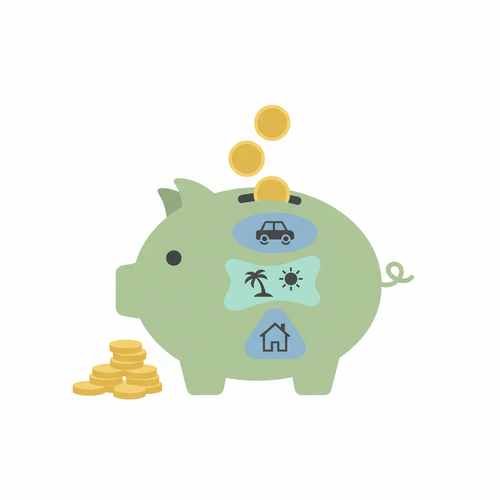
Are you tired of feeling stressed every time a big expense pops up? You’re not alone. Many people dread significant purchases like a new car, a dream vacation, or even just replacing a broken appliance.
What if there was a way to make these large expenditures feel easy, even exciting? Enter the world of sinking funds, your secret weapon for stress-free financial planning.
This isn’t just about saving money; it’s about saving with purpose and gaining incredible peace of mind. Imagine reaching a financial goal without resorting to credit cards or depleting your main savings account.
Once you embrace sinking funds, you’ll wonder how you ever managed without them. They transform the way you think about and prepare for future expenses, putting you firmly in control.
Quick Summary:
- Sinking funds let you save for specific future expenses without financial stress.
- They help you avoid debt for large purchases by planning ahead.
- Start small, be consistent, and watch your financial confidence grow.
What Exactly Are Sinking Funds?
A sinking fund is simply a dedicated savings account for a specific, future expense. Unlike an emergency fund, which is for unexpected events, sinking funds are for planned, anticipated costs.
Think of it as setting aside money specifically for that new sofa, car down payment, or annual insurance premium. This method ensures you have the cash ready when you need it, avoiding last-minute panic or credit card debt.
The core idea is consistent contributions over time towards a known financial objective. You decide the goal, the amount, and the timeline upfront, making your savings efforts highly intentional.
Many individuals find this approach incredibly empowering, as it breaks down seemingly overwhelming costs into manageable, bite-sized pieces. It’s about building a savings habit with a clear target in sight.
Why Sinking Funds Beat Regular Savings
You might already save money, but often those savings are just a big, undifferentiated pot. This makes it easy to dip into funds meant for one goal when another expense arises, derailing your progress.
In my experience, the biggest mistake beginners make is not earmarking their savings. Sinking funds provide clarity and purpose, preventing you from accidentally spending money meant for your next big goal.
This psychological separation is incredibly powerful. Knowing you have a dedicated “Vacation Fund” makes it much harder to justify using that money for a new pair of shoes, for example.
They prevent “savings creep,” where your general savings account slowly diminishes without clear justification. Each fund serves a specific master, keeping your financial commitments organized and on track.
Pro Tip: Give each sinking fund a clear, exciting name like “Dream Vacation Fund” or “New Car Down Payment.” This mental clarity boosts your motivation!
How to Set Up Your First Sinking Fund
Setting up a sinking fund is straightforward, even if you’re new to personal finance. First, identify a specific goal and its estimated cost, whether it’s a new laptop or a holiday gift budget.
Next, determine your timeline. If you need $1,200 for holiday gifts in 12 months, you’d save $100 per month. Break down the total cost into manageable monthly contributions.
Finally, open a separate savings account for each major fund, or use digital envelopes within your banking app. This physical or digital separation helps keep your money dedicated and out of reach for impulse buys.
Don’t forget to automate your transfers. Setting up a recurring deposit from your checking account to your sinking fund on payday ensures consistency and removes the temptation to skip a contribution. Automation is your best friend here.
- 🎯 Step 1: Define Your Goal: What are you saving for? Be specific and make it inspiring!
- 💰 Step 2: Estimate the Cost: Research prices and add a small buffer for unexpected increases.
- 🗓️ Step 3: Set a Timeline: When do you need the money by? Be realistic with your deadline.
- ➡️ Step 4: Calculate Monthly Contribution: Divide total cost by months. Adjust if needed.
- 🏦 Step 5: Create a Separate Space: Use a separate account or digital envelope for each fund.
- 🔄 Step 6: Automate Transfers: Set up recurring deposits to ensure consistent progress.
Common Sinking Fund Examples
The beauty of sinking funds is their versatility; they can be used for almost any planned expense. From annual car maintenance to a new phone, the possibilities are truly endless.
Many people find them invaluable for recurring but irregular expenses like home repairs, medical deductibles, or even quarterly tax payments. This proactive approach helps smooth out your cash flow throughout the year.
Consider less obvious but equally important categories, like a “New Baby Fund” or a “Pet Care Fund.” These funds prepare you for significant life events and their associated costs without panic.
They provide a clear financial roadmap for items that are too large for your monthly budget but not quite emergencies. This organized approach reduces financial guesswork substantially.
| Fund Goal | Why You Need It | Typical Cost Range | Frequency |
|---|---|---|---|
| 🚗 Car Maintenance | Avoid surprise repair bills and keep your vehicle running smoothly. Covers oil changes, new tires, and unexpected repairs. | $500 – $1,500+ | Annually/Bi-annually |
| 🏖️ Vacation | Enjoy your trip without debt; fund travel, accommodation, and activities. Includes flights, hotels, food, and excursions. | $1,000 – $5,000+ | Annually/As desired |
| 🎄 Holiday Gifts | Spread the cost of gifting throughout the year, reducing December stress. Covers presents, decorations, and holiday meals. | $300 – $1,000+ | Annually |
| 🏡 Home Repairs | Be ready for new roofs, appliance replacements, or unexpected plumbing issues, protecting your biggest asset. Covers both small fixes and major renovations. | $1,000 – $10,000+ | Irregular/As needed |
| 🩺 Medical Deductible | Prepare for out-of-pocket medical costs before your insurance kicks in. Ensures you can access necessary healthcare without financial strain. | $500 – $5,000+ | Annually/As needed |
| 🎓 Education/Courses | Invest in yourself without loans, whether it’s a new skill or a certification, boosting your career prospects. Includes tuition, books, and materials. | $100 – $2,000+ | As desired |
Sinking Funds vs. Emergency Funds: Know the Difference
It’s crucial not to confuse a sinking fund with an emergency fund. An emergency fund is your safety net for truly unexpected events like job loss or a medical emergency, providing a crucial financial buffer.
Sinking funds, conversely, are for expenses you *know* are coming, even if the exact timing is a bit flexible. Maintaining both is a cornerstone of robust personal finance, giving you peace of mind for both the known and the unknown.
Many beginners mistakenly combine these, which can lead to depleting your emergency savings for a planned expense. This critical distinction protects your long-term financial stability.
Think of your emergency fund as your shield against life’s unpredictable attacks, while sinking funds are your tools for building a richer, more planned future. Both are essential, but they serve different masters.
- 🛑 Emergency Fund: Your safety net for truly unexpected crises (job loss, medical emergency, major car accident).
- ✅ Sinking Fund: Your proactive savings for planned, anticipated expenses (vacation, car repair, new furniture, annual subscriptions).
- 💲 Goal: Emergency fund aims for 3-6 months of living expenses. Sinking funds aim for specific item costs.
- 🤯 Feeling: Emergency fund provides essential security and stress relief from the unknown. Sinking funds reduce purchase stress and enable goal achievement.
- 💸 Usage: Emergency funds are for “If this happens.” Sinking funds are for “When this happens.”
Advanced Sinking Fund Strategies
Once you’ve mastered the basics, you can optimize your sinking fund strategy. Consider using high-yield savings accounts for funds you won’t need immediately, allowing your money to earn a little extra for you.
You can also create “tiered” sinking funds, starting with a small general fund for minor expenses before allocating to larger goals. This flexibility helps you manage various financial priorities simultaneously.
Another powerful strategy is to “roll over” any unused funds from one year to the next for recurring expenses. For instance, if you budgeted $500 for car repairs but only spent $300, the remaining $200 gives you a head start for next year.
Periodically review your sinking funds to ensure they align with your current goals and budget. Life changes, and so should your financial plans; flexibility is key to sustained success.
Warning: Avoid over-complicating your sinking funds when starting out. Simplicity leads to consistency, which is key to long-term success. Add complexity only once you’re comfortable and confident in your system.
Tools and Resources for Sinking Funds
Managing multiple sinking funds doesn’t have to be complicated. Many budgeting apps offer features specifically designed to help you track different savings goals. Digital tools can simplify the process immensely.
For those who prefer a more hands-on approach, a simple spreadsheet can be highly effective. Consistency is more important than the tool you choose, so find what works for you. Automate transfers whenever possible to ensure success.
- 📱 Budgeting Apps: YNAB, EveryDollar, or other personal finance trackers.
- 💻 Spreadsheets: Customize a simple Google Sheet or Excel file.
- 🏦 Online Banks: Utilize “sub-accounts,” “buckets,” or “goals” features.
Real-World Impact: My Personal Journey
I remember a few years ago, needing new tires filled me with dread. It was always an unexpected hit, often leading to stressful weeks of belt-tightening. It felt like I was constantly reacting to expenses.
Once I started using a dedicated “Car Maintenance” sinking fund, everything changed. I set up an automated transfer, and the money accumulated effortlessly. Now, when a car repair pops up, the money is simply there.
This simple shift eliminated a significant source of financial anxiety for me. It truly transforms how you approach big purchases, moving you from reactive to proactively prepared.
Conclusion
Sinking funds are more than just a savings strategy; they’re a mindset shift towards proactive financial management. They empower you to take control, reduce stress, and achieve your biggest financial goals without debt.
Start today by identifying just one sinking fund you can create. Your future self will thank you for the peace of mind and financial freedom you build, one planned purchase at a time. Ready to transform your finances? Learn more about budgeting at Investopedia and financial planning on Bank of America’s financial wellness resources.