Introduction
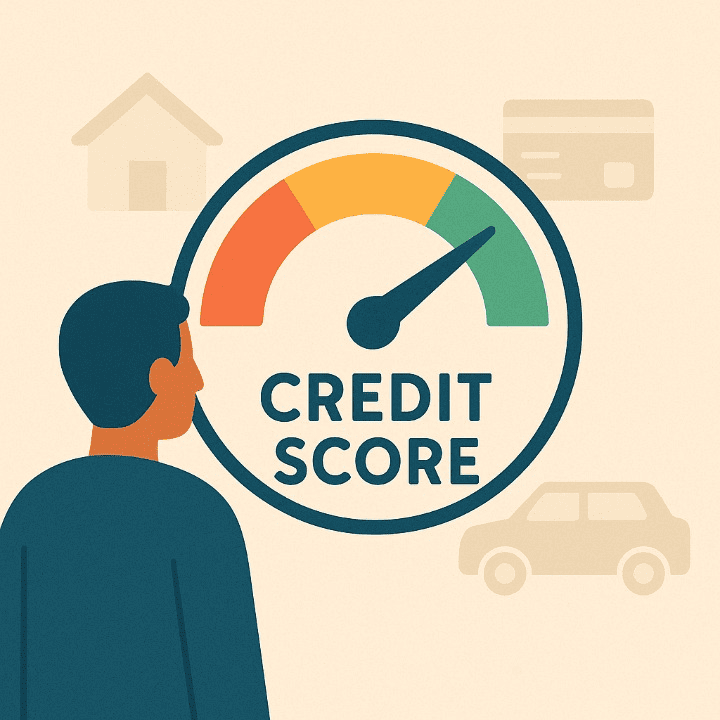
In your financial life, there is a three-digit number that holds incredible power. This number is your credit score. It can open doors to your biggest life goals. On the other hand, it can also slam them shut. A strong score can help you buy a home or start a business. A poor score can make those same dreams feel out of reach. However, many people are still confused or even intimidated by this crucial number.
They often see it as a mysterious grade given to them by some unknown entity. The truth is much more empowering. Your credit score is simply a reflection of your financial habits. This guide will demystify the credit score completely. First, we will explain what it is and why it matters. Then, we will break down exactly how it is calculated. Most importantly, we will provide you with a clear, actionable plan to improve it.
What is a Credit Score and Why Does it Matter?
Let’s start with a simple definition. A credit score is a number, typically between 300 and 850, that represents your creditworthiness. Lenders use this score to quickly predict the level of risk associated with loaning you money. A higher score indicates a lower risk. In short, it tells them you are likely to pay back your debts as agreed.
You can think of it as your “financial report card.” It summarizes your history of managing borrowed money. This report card matters immensely. First, a good score makes it much easier to get approved for loans and a new credit card. Second, and more importantly, it directly impacts the interest rate you are offered on that financing.
A higher credit score can get you a significantly lower interest rate. This can save you thousands, or even tens of thousands, of dollars over the life of a loan. Furthermore, your credit score can influence other areas of your life. For example, landlords may check it when you apply to rent an apartment. Some insurance companies also use a credit-based score to help determine your premiums.
The Five Factors That Make Up Your Credit Score
To improve your score, you first need to understand how it is calculated. The most common scoring model, the FICO score, is based on five key factors. Each factor has a different weight.
1. Payment History (35% of your score)
This is the single most important factor. Your payment history is a simple record of whether you have paid your past credit obligations on time. Lenders want to see a long and consistent history of on-time payments. A single late payment that is reported to the credit bureaus can have a significant negative impact on your score. Therefore, paying every bill on time, every single time, is the golden rule of building good credit.
2. Credit Utilization (30% of your score)
Next, this is the second most important factor. Your credit utilization ratio is the percentage of your available revolving credit that you are currently using. This primarily applies to your credit card accounts. For example, if you have one credit card with a $10,000 limit and a $2,000 balance on it, your utilization ratio is 20%. Experts generally recommend keeping this ratio as low as possible. A ratio above 30% can start to negatively affect your score.
3. Length of Credit History (15% of your score)
A longer credit history is generally better. This factor considers the age of your oldest credit account, your newest account, and the average age of all your accounts. A long history of responsible use gives lenders more data to assess your reliability. This is why it is often a good idea to keep your oldest credit card accounts open and in good standing, even if you do not use them very often.
4. Credit Mix (10% of your score)
Lenders like to see that you can responsibly manage different types of credit. The two main types are revolving credit (like a credit card) and installment loans (like an auto loan or a mortgage). Having a healthy mix of both can have a positive impact on your score. However, this is not a major factor, so you should never take on new debt just to improve your credit mix.
5. New Credit (10% of your score)
Finally, this factor looks at your recent credit activity. Opening several new credit accounts in a short period of time can be a red flag for lenders. Each time you apply for new credit, it can result in a “hard inquiry” on your credit report. Too many hard inquiries at once can temporarily lower your score.
A Practical Action Plan to Improve Your Credit Score
Now that you understand the factors, here is a practical plan to improve your score.
Step 1: Always Pay Your Bills on Time. This is non-negotiable. The best way to ensure this is to set up automatic payments for at least the minimum amount due on all of your accounts. This simple action will protect you from ever forgetting a payment.
Step 2: Lower Your Credit Utilization. Focus on paying down the balances on your credit cards. The goal is to create as much space as possible between your balance and your credit limit. If you cannot pay the balances in full, aim to keep them below the 30% threshold.
Step 3: Check Your Credit Reports for Errors. You are entitled to free copies of your credit reports from the major credit bureaus. You should review them carefully at least once a year. Look for any accounts you do not recognize or any incorrect information. If you find an error, you have the right to dispute it.
Step 4: Be Strategic About New Credit. Only apply for new financing when you truly need it. You should avoid opening multiple new accounts in a short span of time. This will help you manage the number of hard inquiries on your report.
Your Score and Your Broader Financial Health
Managing your credit score is a vital part of overall financial management. Your score is a direct reflection of your financial discipline. A good score is a powerful asset. It gives you access to important financial tools at a much lower cost. This, in turn, frees up more of your income. You can then use that money to achieve other goals, such as investing for the future or building your emergency fund. This entire process contributes to your long-term financial health and peace of mind.
Conclusion
In conclusion, your credit score is not a fixed grade that is assigned to you. Instead, it is a dynamic number that you have a great deal of control over. It is a direct result of your financial habits and decisions.
The path to a great score is clear. First, you must prioritize paying your bills on time. Second, you should focus on keeping your credit card balances low. These two actions alone account for the majority of your score.
By understanding the rules of the game and taking consistent, positive steps, you can build an excellent credit score. This achievement will save you thousands of dollars over your lifetime. It is a critical and empowering step toward achieving robust and lasting financial security.