Introduction
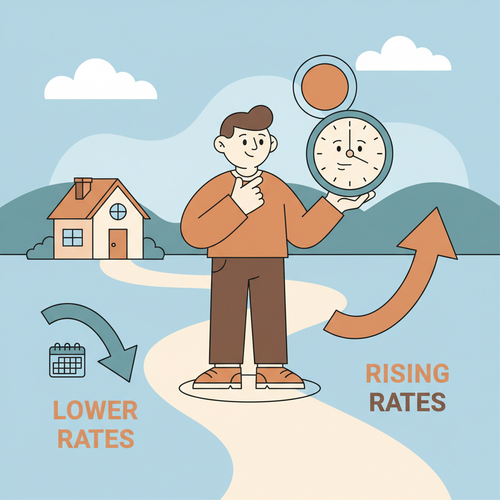
Deciding to refinance your mortgage is a significant financial step. It can potentially save you thousands of dollars over the life of your loan. However, the timing of this decision is crucial. Understanding when to act and how to secure a favorable rate is key. This article will explore the critical factors to consider. We will also discuss the process of locking in your mortgage rate. This knowledge empowers you to make informed decisions about your financial future.
Understanding Mortgage Rates and Refinancing
Mortgage refinancing involves replacing your existing home loan with a new one. This new loan typically comes with different terms. People refinance for many reasons. They might seek a lower interest rate or a shorter loan term. Some homeowners also wish to access their home equity.
What is Mortgage Refinancing?
Refinancing essentially means taking out a new mortgage to pay off your current one. The primary goal is often to improve your financial position. There are a few main types of refinancing.
- Rate-and-Term Refinance: This type changes your interest rate and/or the length of your loan. It does not involve taking cash out of your home equity.
- Cash-Out Refinance: With a cash-out refinance, you take out a new, larger mortgage than you currently owe. You receive the difference in cash. This option uses your home equity for other financial needs.
- Streamline Refinance: Some government-backed loans, like FHA or VA loans, offer streamline refinancing. This typically involves less paperwork and a quicker process.
Each type serves different financial objectives. Your specific goals will guide your choice.
The Importance of Interest Rates
Interest rates play a massive role in the total cost of your mortgage. A lower interest rate means lower monthly payments. It also means you pay less over the life of the loan. Even a small reduction in your interest rate can lead to substantial savings. For example, reducing a 30-year, $300,000 mortgage from 4.0% to 3.5% can save you hundreds of dollars monthly. Over decades, these savings accumulate significantly.
Many factors influence mortgage interest rates. Economic indicators, inflation, and actions by the Federal Reserve are primary drivers. Staying informed about these trends helps you anticipate rate movements. The housing market also plays a role. Demand for homes and available inventory can affect rates.
What is a Mortgage Rate Lock?
A mortgage rate lock is an agreement with your lender. It guarantees a specific interest rate for a set period. This protects you if market rates rise before your loan closes. Once you lock your rate, it cannot increase. This provides certainty during the refinancing process. It shields you from market volatility. However, if rates fall after you lock, you generally cannot benefit unless your lender offers a “float-down” option. Always clarify this with your lender.
Key Factors to Consider Before Refinancing
Refinancing is not a one-size-fits-all solution. Careful consideration of several factors is essential. Your personal financial situation and market conditions both matter.
Current Interest Rate Environment
One of the most compelling reasons to refinance is to secure a lower interest rate. You should compare your current mortgage rate to prevailing market rates. Experts generally suggest considering a refinance if you can reduce your rate by at least 0.5% to 0.75%. However, even smaller reductions can be beneficial depending on your loan amount and remaining term. Historical rate data can provide valuable context. Look at trends to understand the potential for future rate changes. The Federal Reserve provides historical mortgage rate data that can inform your decision.
Your Financial Goals
Your personal financial objectives should drive your refinancing decision. What do you hope to achieve? Common goals include:
- Reducing Monthly Payments: This frees up cash flow for other expenses or savings.
- Shortening the Loan Term: Moving from a 30-year to a 15-year mortgage builds equity faster. It also significantly reduces the total interest paid.
- Tapping into Home Equity: A cash-out refinance provides funds for major expenses. This might include home renovations, college tuition, or starting a business.
- Consolidating Debt: Using a cash-out refinance to pay off high-interest debt, like credit card balances, can simplify payments. It also often lowers your overall interest costs.
Clearly define your primary goal. This will help you select the most appropriate refinancing product.
Break-Even Point Analysis
Refinancing involves closing costs. These can include appraisal fees, origination fees, and title insurance. These costs typically range from 2% to 5% of the loan amount. You must calculate your break-even point. This is the time it takes for your monthly savings to offset the closing costs. For example, if closing costs are $3,000 and you save $100 per month, your break-even point is 30 months (2.5 years). If you plan to move before reaching this point, refinancing might not be worthwhile. Always ask your lender for a detailed breakdown of all fees and charges.
Your Credit Score and Debt-to-Income Ratio
Lenders evaluate your creditworthiness when you apply for a new mortgage. A higher credit score generally qualifies you for better interest rates. Lenders also look at your debt-to-income (DTI) ratio. This ratio compares your total monthly debt payments to your gross monthly income. A lower DTI ratio indicates you can manage new debt responsibly. Improving your credit score and reducing debt before applying can significantly impact your refinancing options and terms.
Strategies for Timing Your Refinance
Timing can be everything when it comes to refinancing. A strategic approach can maximize your savings. Understanding market dynamics is crucial.
Monitoring Market Trends
Keep a close eye on economic news. Pay attention to announcements from the Federal Reserve. Changes in the federal funds rate often influence mortgage rates. Websites like CNBC’s mortgage rate section offer daily updates and analysis. While no one can predict the market perfectly, being informed allows you to anticipate potential shifts. Look for periods of economic uncertainty or slowing growth, as these can sometimes lead to lower rates.
When Rates Are Historically Low
The ideal time to refinance is often when interest rates are historically low. This allows you to lock in significant long-term savings. However, trying to catch the “absolute bottom” is often futile. Instead, focus on locking in a rate that represents a substantial improvement over your current one. Even if rates dip slightly lower later, you will still benefit from your new, reduced rate. Waiting too long risks rates rising again.
Refinancing to a Shorter Term
Consider refinancing to a shorter loan term, such as a 15-year mortgage. This strategy is powerful for building equity faster and reducing total interest paid. While monthly payments might increase, the long-term financial benefits can be immense. For instance, a 15-year loan typically has a lower interest rate than a 30-year loan. This compounds your savings. This approach is best if your budget can comfortably handle the higher monthly payments.
Consider a Cash-Out Refinance Wisely
A cash-out refinance can be a valuable tool if used responsibly. It allows you to convert a portion of your home equity into liquid cash. This cash can fund various needs. Think about essential home improvements, education costs, or consolidating high-interest credit card debt. However, remember that you are adding to your mortgage principal. This means you will pay interest on that cash for the life of the loan. Weigh the benefits against the increased debt carefully. Ensure the purpose of the cash-out aligns with sound financial planning principles.
The Rate Lock Process
Once you decide to refinance, locking in your interest rate is the next critical step. This protects your rate while your loan application progresses.
How to Lock in Your Rate
You typically request a rate lock after you have submitted your loan application. You should only do this once your lender provides a loan estimate with favorable terms. Lenders usually offer various lock periods. Common options include 30, 45, or 60 days. Choose a lock period that gives you enough time for the underwriting and closing process. Discuss the estimated closing timeline with your loan officer. This ensures your lock does not expire prematurely.
Understanding Rate Lock Fees
Some lenders charge a fee for a rate lock, especially for longer lock periods. This fee compensates the lender for the risk they take if rates move against them. Always ask about any associated costs. Sometimes, these fees can be rolled into your closing costs. A “float-down” option is a valuable feature. It allows you to get a lower rate if market rates drop significantly after your initial lock. Not all lenders offer this, so inquire about it upfront.
What Happens if Rates Change After Locking?
If interest rates rise after you have locked your rate, you are protected. Your lender must honor the locked rate. This is the primary benefit of a rate lock. However, if your loan does not close before the lock period expires, your rate lock may lapse. This could leave you vulnerable to higher rates. If rates fall significantly, and you do not have a float-down option, you will generally be stuck with your higher locked rate. Therefore, understanding your lender’s policies is crucial.
Common Refinancing Mistakes to Avoid
Even with careful planning, some common pitfalls can undermine your refinancing efforts. Being aware of these can help you navigate the process more smoothly.
Ignoring Closing Costs
Closing costs can be substantial. They can easily add thousands of dollars to your refinancing expense. Some borrowers try to roll these costs into the new loan. While this reduces upfront out-of-pocket expenses, it means you pay interest on those costs over the life of the loan. Always get a clear, itemized list of all closing costs. Compare these costs across different lenders to find the best deal.
Refinancing Too Often
Each time you refinance, you incur new closing costs. If you refinance too frequently, these costs can outweigh the savings. This becomes a costly cycle. Only refinance when there is a clear and significant financial benefit. Calculate your break-even point meticulously. Ensure you plan to stay in your home long enough to realize the savings.
Not Shopping Around
Many borrowers make the mistake of only getting one quote. Mortgage rates and fees vary significantly between lenders. Always obtain quotes from at least three to five different lenders. Compare their interest rates, closing costs, and terms carefully. A difference of even 0.125% on your interest rate can save you thousands over your loan term. Online comparison tools can assist in this process.
Extending Your Loan Term Unnecessarily
If you have been paying on a 30-year mortgage for five years and then refinance into another 30-year mortgage, you effectively reset your loan clock. This means you will pay interest for another 30 years, extending your total repayment period to 35 years. This can dramatically increase the total amount of interest you pay. Consider a shorter loan term if your budget allows, or at least maintain your current payoff schedule by making extra payments.
Conclusion
Refinancing your mortgage and locking in a favorable rate is a powerful strategy. It can improve your financial health and achieve your homeownership goals. The right time to refinance depends on a confluence of factors. These include market interest rates, your personal financial situation, and your long-term objectives. Always conduct thorough research and perform a detailed break-even analysis. Compare offers from multiple lenders to secure the most advantageous terms. By being proactive and informed, you can confidently navigate the refinancing landscape. This ensures you make the best decision for your financial well-being.