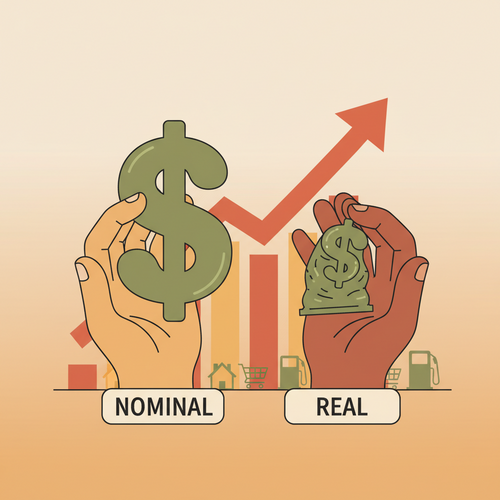
Understanding Real vs. Nominal Interest Rates is crucial for every investor. Indeed, these two concepts significantly impact your money’s true earning potential. Many beginner investors often overlook this critical distinction. Therefore, gaining clarity on these terms can truly empower your financial decisions. Specifically, recognizing the difference helps you protect your purchasing power. Ultimately, ignoring real interest rates can subtly erode your wealth. Furthermore, making informed investment choices requires a clear grasp of both. Thus, let’s explore these fundamental economic principles.
What is a Nominal Interest Rate?
First, let’s define nominal interest rates. This rate represents the stated interest rate on a loan or investment. Banks advertise these rates prominently. For instance, your savings account might offer a 2% nominal interest rate. Similarly, a personal loan could have a 5% nominal rate. Thus, it is the rate before considering any other economic factors. Importantly, the nominal rate is what you see in advertisements. It does not account for changes in prices over time. Conversely, it is simply the raw percentage return. Most financial products initially present their nominal rate. This rate provides a starting point for evaluating returns. However, it tells only part of the story. Therefore, do not solely rely on the nominal figure when making investment decisions. Your actual financial gain may differ significantly. Indeed, investors must dig deeper to understand their true returns.
What is a Real Interest Rate?
Conversely, the real interest rate tells a different story. This rate adjusts the nominal rate for inflation. Inflation, indeed, is the rate at which prices for goods and services increase. Consequently, your money’s purchasing power decreases. The real interest rate, therefore, reflects your true return on an investment. It measures how much your purchasing power actually grows. For instance, a positive real interest rate means your money is truly growing. A negative real rate, however, means you are losing purchasing power. This distinction is vital for long-term wealth building. Furthermore, it reveals the actual value of your earnings. Think of it this way: your nominal return might seem good. However, if prices are rising faster, your money buys less. Thus, the real interest rate provides a more accurate measure of economic well-being. It is the real gauge of your financial progress. Specifically, discerning the real rate helps safeguard against wealth erosion. Always consider this crucial metric.
Why Inflation Matters So Much
Inflation plays a massive role in finance. Ultimately, it erodes the value of money over time. Consider a simple example. If you have $100 today, it can buy a certain amount of goods. If inflation is 3% next year, those same goods will cost more. Your $100, consequently, will buy less. Therefore, a nominal interest rate might look appealing initially. However, high inflation can easily wipe out those gains. Investors must always account for inflation. Furthermore, it directly impacts the real return on their investments. Indeed, protecting purchasing power is a primary goal. Without considering inflation, any investment return is misleading. For instance, if your investment earns 5% but inflation is 4%, your real gain is only 1%. This small real gain is what truly matters. Conversely, ignoring inflation can lead to a false sense of security. Thus, monitor inflation rates diligently. Central banks, like The Federal Reserve, publish these rates regularly. Keeping an eye on these economic indicators is prudent. It helps in assessing the broader economic landscape.
Calculating Real Interest Rates (Simplified)
Calculating the real interest rate is relatively straightforward. Investors can use a simple formula. Specifically, the real interest rate equals the nominal interest rate minus the inflation rate. This is commonly known as the Fisher Equation. For example, imagine a 5% nominal interest rate. If inflation is 3%, the real interest rate is 2% (5% – 3%). Conversely, if inflation rises to 6%, the real rate becomes -1% (5% – 6%). In this specific scenario, your money is actually losing value. Therefore, understanding this calculation is fundamental. It reveals the true profitability of your investments. Furthermore, it helps assess the actual cost of borrowing. A positive real interest rate indicates that your money is growing faster than prices. This preserves your purchasing power. However, a negative real rate signifies that inflation is outpacing your earnings. Consequently, your money’s value is shrinking. Thus, always perform this quick calculation. It offers a vital reality check for your financial health. Bloomberg offers excellent financial data, by the way, including current inflation figures.
Impact on Different Investments
Savings Accounts and CDs
Savings accounts typically offer lower nominal rates. For instance, a standard savings account might yield 1%. If inflation is 2%, your real return is -1%. Consequently, your money is slowly losing purchasing power. Banks often offer these low rates for liquidity and safety. Certificates of Deposit (CDs) often offer slightly higher rates. However, they too can suffer from high inflation. Investors must compare these rates carefully. Indeed, aim for accounts that at least keep pace with inflation. Otherwise, the “safe” money in these accounts quietly diminishes in value. Therefore, while suitable for emergency funds, they may not be ideal for long-term growth. Furthermore, continuously evaluate the real return on your cash holdings. This vigilance helps ensure your savings maintain their value. Thus, seek out options that offer competitive real rates.
Bonds
Bonds represent another common investment vehicle. Their nominal interest rates are often fixed. Therefore, rising inflation can significantly devalue bond returns. Consider a bond paying 4% annually. If inflation is 3%, your real return is 1%. However, if inflation jumps to 5%, your real return becomes -1%. Thus, bonds become less attractive during periods of high inflation. This is especially true for long-term bonds. The longer the bond’s maturity, the more susceptible it is to inflation risk. Treasury Inflation-Protected Securities (TIPS) are an exception. They adjust their principal value for inflation. Therefore, TIPS offer protection against rising prices. Investors seeking inflation protection often consider TIPS. However, their nominal yields might be lower than traditional bonds. Understanding this trade-off is crucial. Specifically, TIPS provide a hedge against unexpected inflation. Reuters provides extensive bond market analysis and news on TIPS.
Stocks and Real Estate
Stocks and real estate often fare better during inflationary periods. Companies can raise prices for their products and services. Consequently, their revenues and profits may increase. This ability to pass on costs can help maintain their value. Real estate values also tend to appreciate with inflation. Rent prices often rise as well. Therefore, these asset classes can offer better inflation protection. Historically, they have demonstrated a strong correlation with inflation. However, they also carry higher risks compared to bonds or savings accounts. Stock market volatility is a known factor. Real estate investments require significant capital and management. Indeed, diversification remains crucial for any investor. A balanced portfolio should include assets that perform well in different economic climates. Thus, consider growth-oriented investments alongside more conservative options. Professional financial advice can guide these decisions. Investors should research specific sectors that benefit from inflation, such as energy or materials.
Impact on Loans and Debt
Real interest rates also affect borrowers. Consider a loan with a 7% nominal interest rate. If inflation is 4%, the real interest rate is 3%. This means the true cost of borrowing is 3%. Conversely, if inflation is very high, say 8%, the real interest rate becomes -1%. In this specific case, the borrower effectively pays back less in real terms. The purchasing power of the money repaid has decreased. Therefore, high inflation can be beneficial for borrowers with fixed-rate loans. It erodes the real value of their debt. For instance, homeowners with fixed-rate mortgages often benefit from inflation. However, lenders suffer during these times. They receive payments worth less in real terms. Thus, central banks carefully monitor real interest rates. They adjust policy to balance borrower and lender interests. Furthermore, understanding real interest rates helps you decide on loan types. A fixed-rate loan locks in your nominal rate. If inflation rises, your real cost of borrowing decreases. Variable-rate loans, however, can see their nominal rates increase with inflation. This could raise your payments. Therefore, choose your debt wisely. Consider the inflation outlook when taking on new debt. This strategic approach minimizes your real borrowing costs. Investopedia is an excellent resource for learning more about various loan structures.
Key Takeaways for Beginner Investors
Firstly, always look beyond the nominal rate. Secondly, understand that inflation is a constant threat to your wealth. Furthermore, prioritize investments that offer real returns. Diversify your portfolio effectively. Seek out assets that can potentially grow faster than inflation. For instance, consider a mix of stocks, real estate, and inflation-protected securities. Regularly review your investment performance. Always compare your returns against the current inflation rate. This proactive approach helps preserve and grow your purchasing power. Financial knowledge is indeed your best defense. Moreover, continually educate yourself on economic trends. Stay informed about central bank policies. These factors significantly influence real interest rates. Remember that the goal is not just to accumulate money. Ultimately, it is to increase your purchasing power. Therefore, make real returns your primary focus. Consult with a financial advisor for personalized guidance. They can help tailor strategies to your specific goals. Thus, take control of your financial future by understanding these vital concepts.
Conclusion
In summary, the distinction between real vs. nominal interest rates is fundamental. Nominal rates are simply the advertised rates. Conversely, real rates account for the impact of inflation. Therefore, real rates provide a more accurate picture of your investment’s true growth. High inflation can drastically reduce your actual returns. Consequently, your purchasing power may diminish. Investors must prioritize real returns to build lasting wealth. Actively factor inflation into all your financial planning. Indeed, a thorough understanding of these concepts empowers smarter investment decisions. This knowledge is essential for every beginner investor. Protect your money’s value diligently. By focusing on real returns, you can truly grow your wealth. Furthermore, you can safeguard against the silent erosion of inflation. Thus, embrace this critical financial literacy.